Best Practices for Safe and Efficient Tractor Operation in Botswana

Best Practices for Safe and Efficient Tractor Operation in Botswana

Botswana is one of the countries in Southern Africa where agriculture plays a vital role in its economy. With vast farmland, Botswana has become one of the top producers of crops such as maize and sorghum. To support this industry, Tractors PK offers the best quality tractors and implements for sale in Botswana. However, owning a tractor is only half the battle. In this blog post, we will discuss the best practices for safe and efficient tractor operation in Botswana.

Best Practices for Safe and Efficient Tractor Operation in Botswana

Get Trained in Tractor Operation

Before operating a tractor, it is crucial to get trained on how to use it. Familiarize yourself with the controls and their functions, safety features, and basic maintenance procedures. Take advantage of any available training programs offered by Tractors PK or other organizations in Botswana. Proper training ensures the safe and efficient operation of your tractor.

Conduct Regular Maintenance

A well-maintained tractor operates safely and efficiently. Conduct regular maintenance checks and repairs to ensure that your tractor is always in good working condition. Check the tires, brakes, and hydraulic systems for any damage or malfunction. Keep your tractor clean and free from dirt and debris. Regular maintenance can help prevent breakdowns and reduces repair costs.

Follow Safety Protocols

Safety is paramount when operating a tractor. Make sure you wear appropriate clothing and personal protective equipment such as boots, gloves, and safety glasses. Ensure that all safety features such as seat belts, ROPS (roll-over protective structures), and protective guards are in place and functional. Always keep bystanders and workers at a safe distance. Avoid risky maneuvers that could put yourself and others in danger.

Use Tractor Implements Safely

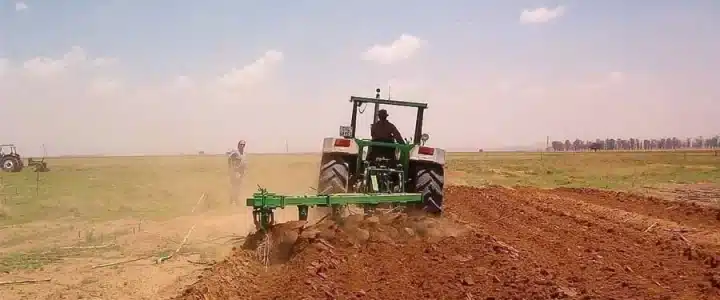
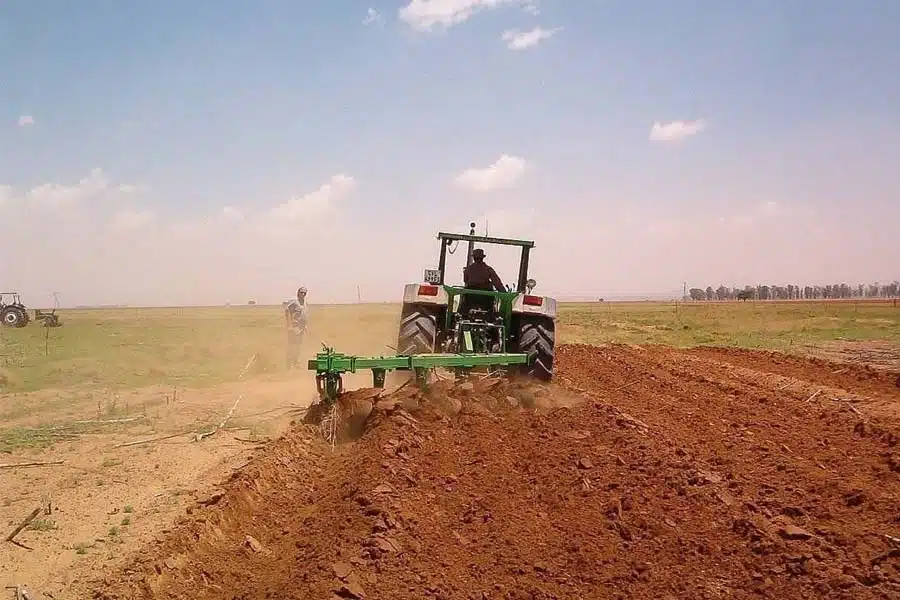
Tractor implements such as ploughs, cultivators, and mowers are essential to farm tools but can also pose risks if not used correctly. Always read the manufacturer’s instructions before using an implement and ensure that it is compatible with your tractor. Inspect the implement before using it for any wear or damage. Use the appropriate PPE when handling sharp or rotating parts. Be cautious when attaching or detaching implements, as they can be heavy and unwieldy.

Monitor Tractor Usage

Keeping track of how your tractor is used can help prevent abuse, theft, or unauthorized use. Keep a logbook of tractor usage that includes the date, time, and details of the operation. Train and educate people who may use your tractor on the best practices for safe and efficient operation. Doing so leads to a longer lifespan of the tractor and safeguards against any accidents.

Owning a brand-new tractor in Botswana is a significant investment for farmers. By following the best practices discussed in this blog post, you can ensure that your tractor is operated safely and efficiently, reducing downtime, minimizing repair costs, and improving overall productivity. Tractors PK is ready to assist with all your tractor needs, including product advice, sales, financing, and service support. Contact us today and start operating your tractor with confidence!

The Benefits of Investing in a High-Quality Tractor in South Africa

The Benefits of Investing in a High Quality Tractor in South Africa

South Africa’s agriculture industry is a vital contributor to the country’s economy, with approximately 30% of its workforce employed in this sector. For this reason, it is crucial that farmers have access to high-quality farm equipment. When it comes to tractors, investing in a reliable and efficient machine is essential for the success of any farming operation. Tractors PK is committed to supplying farmers in South Africa with brand-new tractors of the highest quality. This blog post will explore the benefits of investing in a high-quality tractor.

The Benefits of Investing in a High Quality Tractor in South Africa

Increased Efficiency: One of the most significant benefits of investing in a high-quality tractor is increased efficiency. A quality tractor will have better fuel economy, require less maintenance, and cause fewer breakdowns, leading to less downtime in the field. With a reliable and efficient tractor, farmers can complete more work in less time, which means increased productivity.

Compatibility with Implements: A good quality tractor will be compatible with a range of implements, making it highly versatile. We offer a wide variety of implements, including ploughs, cultivators, seeders, and harrows, which are specially designed to work with their tractors. Investing in a quality tractor and accompanying implements will equip farmers with the tools necessary to handle all aspects of farming.

Comfort and Safety: Operating a tractor can be physically demanding and even hazardous, especially when using older or poorly-maintained machines. Investing in a high-quality, homologated tractor from us offers increased comfort and safety as modern tractors are designed with features such as power steering, air conditioning, and safety cages. Our tractors have also undergone rigorous testing, ensuring they meet safety standards, and providing peace of mind for the operator.

Value for Money: While buying a high-quality tractor may seem like a significant investment, it’s crucial to consider the long-term value. Quality tractors are built to last, with better durability, reliability, and resale value. Besides, purchasing a new tractor can be more economical than constantly repairing and maintaining older machines.

Improved Crop Yield: Ultimately, investing in a tractor from us will help farmers achieve an improved crop yield. With increased efficiency, versatility, comfort, safety, and long-term value, farmers can ensure a stable income for years to come. The tractors come equipped with the latest technology, including precision farming, GPS, and telematics, to enhance crop management and thus improve crop yields.

Tractors PK is dedicated to providing farmers in South Africa with high-quality, brand-new tractors, and accompanying implements, to help them achieve success in their farming operations. By investing in a quality tractor with us, farmers can improve overall efficiency, versatility, comfort, safety, and value for money while achieving improved crop yields. It’s clear that Tractors PK is the right choice for any farmer serious about their farming operation.

How to Prepare Your Land for Tractor Use in Nigeria

How to Prepare Your Land for Tractor Use in Nigeria

As a farmer, investing in a tractor is one of the best decisions you can make to increase efficiency and profitability on your farm. However, before purchasing a brand-new tractor for sale in Nigeria, it is important to prepare your land for tractor use to ensure your investment does not go to waste. In this blog post, we will discuss some important steps you need to take to get your land ready for tractor use in Nigeria.

How to Prepare Your Land for Tractor Use in Nigeria

Clearing your land

The first step in preparing your land for tractor use is clearing it. This involves removing all debris, trees, bushes and rocks from your farm. You can do this manually or by using implements such as a bulldozer or a backhoe. Clearing your land allows you to have a clear view of your land, making it easier to plan your farming activities and ensure that you are getting the most out of your new tractor.

Leveling your land

Once your land is cleared, the next step is to level it. Leveling helps to improve drainage and ensures that water is evenly distributed throughout your farm. This is especially important in Nigeria where heavy rainfall can cause soil erosion. Leveling also ensures that you can easily use your tractor to plough and till your land, enabling you to plant crops faster and more efficiently.

Choosing the right implements

When it comes to tractor use in Nigeria, choosing the right implements is crucial. The type of implements you choose will depend on the crop you want to be planting and the size of your land. Tractors PK offers some of the best quality implements that can help you achieve your farming goals while saving you time and money. From ploughs to seeders and harvesters, we have everything you need to get your farm up and running.

Testing your soil

Before planting any crops, it is important to test your soil. This helps you to determine the pH levels of your soil and which nutrients your crops need to grow. Soil testing services are quick, affordable and highly accurate, providing you with all the information you need to ensure that your crops are healthy and profitable.

Maintaining your tractor

Finally, it is important to maintain your tractor to ensure it lasts long and gets the job done effectively. Our trained technicians can help you by sharing information on how to maintain and repair your tractor. We understand that farming can be challenging, which is why we offer excellent after-sales service and support to ensure that your tractor remains in top shape throughout its lifetime.

Preparing your land for tractor use in Nigeria involves several important steps that can help you to get the most out of your investment. These include clearing and leveling your land, choosing the right implements, testing your soil, and maintaining your tractor. By taking these steps, you can increase efficiency, reduce costs and improve profitability on your farm. At Tractors PK, we are committed to helping farmers in Nigeria achieve their farming goals. Contact us today for more information on our brand-new tractors for sale and quality implements.

Sustainability Practices for Tractor Use in Kenya – Tips from Tractors PK

Sustainability Practices for Tractor Use in Kenya

Kenya is well known for its agricultural industry, which contributes greatly to the country’s economy. Many farmers in Kenya have shifted to modern agricultural methods that involve the use of tractors and other farming equipment. However, the use of tractors also comes with environmental and social implications. At Tractors PK, we believe in promoting sustainable agriculture by providing farmers with the best quality, brand-new tractors and implements that have a minimal environmental impact. Here are some of our top tips for sustainability practices when using tractors in Kenya.

Proper maintenance and servicing of tractors

We ensure that all tractors are well maintained and serviced regularly to minimize the emissions released during tractor use. Regular maintenance also ensures that tractors run efficiently, reducing fuel consumption. We encourage farmers to also practice regular maintenance to increase the lifespan of their tractors, reduce breakdowns, and minimize the need for replacement.

Use of appropriate implements

The use of the right implements is crucial in promoting sustainable agriculture. By using implements that can perform various tasks, farmers can save time, fuel, and water, and also reduce soil erosion. We offer a range of implements such as ploughs and seeders that are suitable for small and large-scale farming in Kenya.

Crop rotation

Crop rotation involves planting different crops in a particular field each season to promote soil health. This reduces soil erosion and the need for chemical fertilizers, which can harm the environment and soil structure. By using tractors to practice crop rotation, farmers can ensure that the soil quality remains at an optimal level for future farming.

Water conservation practices

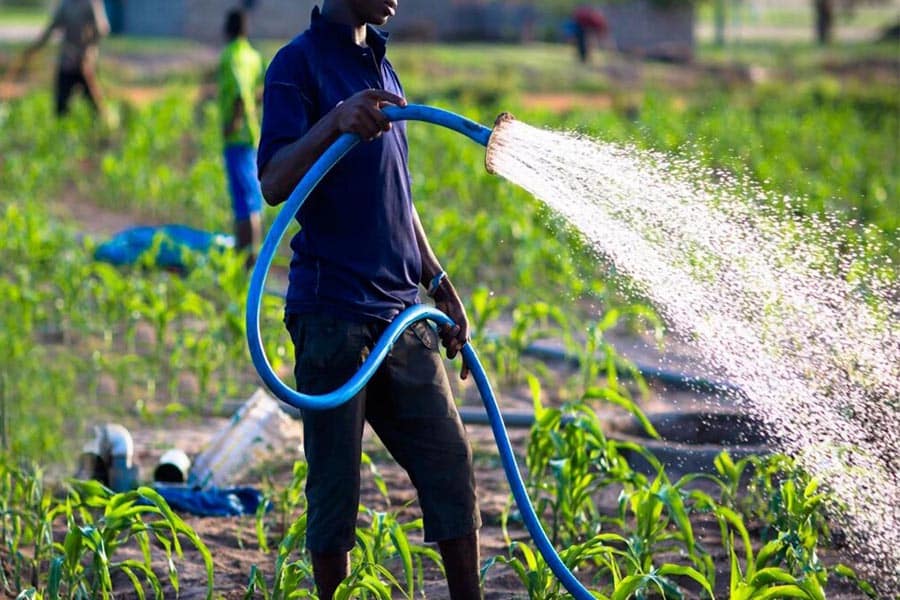
Water is a precious resource, and it must be conserved at all times. We encourage the use of drip irrigation systems instead of overhead irrigation, which wastes a lot of water. We also promote the use of rainwater harvesting methods to reduce reliance on irrigation. By using tractors to facilitate these methods, farmers can save the environment and also save money on water bills.

Use of alternative fuels

We understand the impact of fuel emissions on the environment. We, therefore, offer tractors that run on alternative fuels such as biofuels, which have a significantly lower carbon footprint. Farmers can also explore the option of using solar-powered tractors which are both environmentally friendly and cost-efficient.

Sustainability practices are vital in ensuring that the environment and future generations are safeguarded. At Tractors PK, we advocate for sustainable tractor use and offer brand new tractors and implements for sale that is designed to support sustainability practices such as proper maintenance and servicing, use of appropriate implements, crop rotation, water conservation practices, and use of alternative fuels. By incorporating these practices, farmers in Kenya can promote sustainable agriculture and safeguard the environment.

Tractor Drawn Implements for Controlled Traffic Farming | A Comprehensive Guide

Tractor Drawn Implements for Controlled Traffic Farming

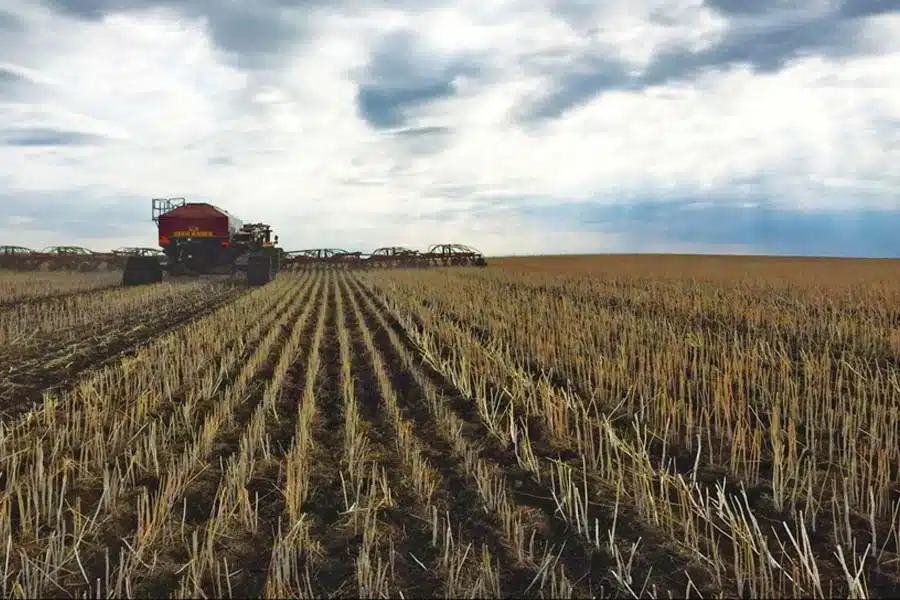
Farming is one of the most significant and rewarding endeavors in agriculture. However, it can also be one of the most challenging. One of the biggest challenges in farming is achieving the maximum yield while minimizing the impact on the soil. This is where controlled traffic farming comes in. Controlled Traffic Farming is a system of soil management that significantly reduces soil compaction through the use of tractor-drawn implements. In this guide, we will explore how Tractors PK can help farmers in Ghana by providing the best quality tractors and implements for Controlled Traffic Farming.

Tractor Drawn Implements for Controlled Traffic Farming

The benefits of Controlled Traffic Farming are numerous. This system of farming has been shown to improve soil fertility, boost crop yields and reduce stress on farmers and the environment. Ghanaian farmers can take advantage of this system by investing in Tractors PK’s best-quality tractors and implements for sale. These implements include tillage equipment, planters, and harvesters, all of which are designed to reduce soil compaction and boost yields.

One of the essential implements for Controlled Traffic Farming is the Corn and Soy Planter. This planter helps farmers plant their crops at the right depth and spacing, resulting in better crop yields. Furthermore, it reduces soil compaction by ensuring that the tractor follows the same path in each pass. Our brand-new tractors feature cutting-edge technology that allows for improved accuracy, ensuring that each pass is uniform.

In addition to planters, We also offer tillage equipment. Tillage equipment is crucial for preparing the soil for planting and removing weeds. The right tillage equipment can also reduce soil compaction, thereby preserving soil health. With a brand new tractor and tillage equipment from us, Ghanaian farmers can achieve the maximum yield while reducing the environmental impact.

Another important implement is the harvester. Our harvesters are built with the latest technology, allowing farmers to harvest their crops efficiently. This means less time and money spent in the field and more time spent on other aspects of the farm. The result is increased yields and a healthier environment.

By using Tractors PK’s best-quality tractors and implements, Ghanaian farmers can achieve the maximum yield while preserving the soil. Their tractors and implements are designed for Controlled Traffic Farming, which reduces soil compaction and improves crop yields. Tractors PK is committed to providing the best quality tractors and implements to farmers in Ghana. This way, farmers can take advantage of the many benefits of Controlled Traffic Farming and achieve success in their farming endeavors.

Exploring Irrigation Challenges and Opportunities in Ghana

Irrigation Challenges in Ghana

Despite Ghana’s wealth of water for irrigation farming, the results of the country’s mismanaged and unchecked irrigated agricultural techniques, along with its lack of agricultural machinery, leave much to be desired. The government of Ghana has implemented development plans and strategies to boost irrigated agriculture as a result of the growing recognition of irrigation issues and their impact on the economy and environment. To encourage cooperation and partnership among irrigation industry members for the sake of advancing environmentally responsible irrigated agriculture, a formal institutional structure was designed. But even with irrigation, conventional farming is more productive. For instance, low crop performance may be traced back to a lack of foresight, and inter-organizational coordination has proven challenging. In this piece, we will look at some of the ways in which Ghana’s irrigated agriculture may benefit from some new approaches.

Major irrigation challenges

Despite widespread use, northern parts of Ghana have more difficulties in the area of irrigated farming. Tono and Vea irrigation systems, the two biggest in Ghana, are situated in the north, giving access to water for agricultural growth and boosting the socio-economic life activities of many farmers. Financial insufficiencies, institutional challenges, limited access to inputs and services, difficulties in marketing and post-harvest handling, lack of cooperation, and disagreements between the government and landowners over compensation have emerged as the most pressing issues affecting irrigation in Ghana. Poor maintenance of canals, weeds, and sludge around canal networks are only a few of the issues plaguing Ghana’s irrigation system. Given the current difficulties farmers face, such as low farm income and production, it would be difficult for maintenance to be left solely in the hands of farmers if the government did not provide the primary headwork, conveyance, and distribution infrastructure for irrigation development in the country. As a result, several of the plans have been completely abandoned and have since collapsed.

Inadequate and antiquated irrigation equipment and mechanization are major obstacles to the development of sustainable irrigated agriculture in Ghana. The land and water are not safeguarded by the conventional form of irrigation used in farming. Irrigation water for crops comes from rivers and wells drilled into river beds. These methods lower water tables during dry periods and severely pollute groundwater with fertilizers and pesticides that seep deep into the soil. Meanwhile, Ghana’s Environmental Protection Agency (EPA), water and sanitation agencies, and municipal governments all have roles in keeping the environment safe.

Relevant Policies and Irrigation Schemes in Ghana

In response to the shortcomings of the first Food and Agriculture Sector Development Policy (FASDEP I), which prioritized the private sector at the cost of low-income farmers, FASDEP II was enacted. To better manage land and environment sustainably, employ science and technology in food and agriculture development, and promote competitiveness and integration into local and worldwide markets are all goals of agricultural policy for the food and agriculture industry.

What this means for the future of irrigation depends on the nation’s water policies. As part of its new strategy, the government of Ghana will make sure that farmers have access to high-quality water in appropriate quantities. In addition, the government of Ghana formulated the national land policy in 1999 to ensure the country’s continued responsible management of its land and its inherent resources. The policy backs economic and social initiatives that are eco-friendly and adhere to the principles of sustainable resource management. The State Lands Act is a legal requirement for all irrigation projects, no matter how big or little.

Alternative Practices

Due to the high cost of operating, solar irrigation has not garnered much interest from Ghanaian governments or farmers. To help make renewable energy more accessible to farmers, solar-powered irrigation pumps are being built in Tamalgu in the Karaga District. However, this program is not prevalent across the nation. Most public irrigation projects that rely on a pressurized system are experiencing dry spells owing to a lack of energy. This means that non-resistant crops will be wiped out during the dry season, while resistant crops will begin to wilt and die off.

It will be preferable if irrigation water management is approached with an active role for extension agents and the implementation of appropriate technologies. In the past, on-farm water management programs had failed because of a lack of support service to farmers, but now, due to improvements in extension agents’ abilities, they are able to effectively aid farmers in the areas of irrigation development and management. Effective irrigation management relies heavily on high-quality extension and consulting services supplied by the government, commercial businesses or consultants, non-governmental organizations (NGOs), or farmer organizations. There is evidence that when incentives, technical knowledge, and water information are provided as part of regular capacity development initiatives for irrigation stakeholders, they perform well. It is difficult to assess the development of irrigation projects due to the office’s inability to keep track of vital information.

Role of Tractors PK

Agricultural machinery, in addition to the good irrigation system, also plays an important role in enhancing the agricultural yield of Ghana. Tractors PK was established to help Ghanaian farmers get their hands on affordable, high-quality agricultural machinery. With the introduction of Tractors PK, the country’s poor farmers may rest a little easier. Farmers are optimistic about the project’s future prospects since they have access to several types of agricultural machinery, such as Massey Ferguson tractors for sale, New Holland tractors for sale, farm implements, combine harvesters, and many more.

Climate Change Knowledge and Coping Strategies of Smallholder Farmers of Botswana

Strategies of Smallholder Farmers of Botswana

Local farmers in Botswana still rely on an agrarian economy, making them especially susceptible to the effects of fluctuating weather. They do small-scale farming, without proper agricultural machinery, and raise animals for survival. A large portion of rural residents relies on subsistence farming for their income and survival. Both the Okavango Delta and the Chobe River in Botswana are permanent river systems, yet the local people are nevertheless affected by weather changes. This is quite worrying. Some farmers in the area are trying to weather the effects of climate change by using new, more resilient practices. Local farmers’ coping mechanisms are often informed by the context of their everyday social interactions. They draw on their past experiences to persevere in subsistence farming despite unpredictable precipitation and periodic flooding. This is augmented by gathering veld products and fishing. In most cases, they cannot market farming without constant aid in growing capacity.

The level of climate change literacy among farmers

Botswana’s small-scale farmers learned what they knew via a combination of sources, on-the-job training, personal experience, personal observation and experimentation, and indigenous knowledge. They also discussed the difficulties associated with planting seeds deep below, the damage to crops caused by unpredictable rainfall, the lack of agricultural machinery and the overall poor yields. However, government authorities often fail to notify small-scale farmers about impending droughts or floods. Contacts with higher levels of the organization, such as government organizations, provide access to new information and technology, such as that shown by small-scale farmers. The weather service has not been communicating with farmers about impending rain in a timely manner. It turned out that some farmers were able to rely on their cultural or indigenous expertise. This was shown in the example where farmers blamed deforestation, a major contributor to climate change, on practices that no longer considered traditional knowledge pertaining to taboos.

Different small-scale farmers in the Okavango Delta and along the Chobe River know the ecological, historical, and social elements of their communities in relation to rainfall and farming. Using the community as an integrative environment for learning at all levels, place-based education is founded on the resources, concerns, and values of the local community. Taking this approach helps locals better understand and value their unique cultural and ecological settings.

Farmers’ Coping Strategies

It was clear that small-scale farmers in the Okavango and Chobe regions were vulnerable to climate-related shocks and hazards such as droughts, floods, livestock diseases, and declining crop yields. Farmers, whose livelihoods depend entirely on farming, face grave dangers from all of these. There is significant evidence that some of them have developed coping methods in response to these hazards.

Some farmers, drawing on their intimate familiarity with the climate, decided to plant drought-resistant watermelons and millet instead of the more conventionally successful crops. Some farmers, like those in Parakarungu, relied on local traditional knowledge; for example, one farmer learned fishing and blacksmithing from his father via decades of passed-down stories. The other farmer on a lesser scale is likewise making baskets. In most Botswanan villages, this is a passed-down art form. The fundamental concepts of knowledge, competencies, and agency grow and give actual chances for learning within the context of the lived experiences of these small-scale farmers within the framework of place-based education.

Adaptation relies heavily on farmers’ flexibility in the face of climate change challenges. The degree to which they are able to adjust is influenced by their socioeconomic level. The government, NGOs, and agricultural companies, like Tractors PK one of the leading tractor dealers in Botswana, all pitch in to help. Examples of this kind of aid include the distribution of coping strategies for communities, the provision of funding for research institutes to produce climate-tolerant crop varieties, the distribution of appropriate agricultural machinery, agricultural insurance, capacity-building for farmers, the provision of chances for a secure income, and the distribution of credit and extension service.

What could Tractors Botswana do?

Farmers in Botswana may purchase tractors from Tractors PK, as well as other farm implements and agricultural machinery including Massey Ferguson tractors for sale, New Holland tractors for sale, combine harvesters, and more. Smaller farms in Botswana may be able to benefit from Tractors PK’s ability to provide tractors at reduced prices. Tractors PK is a company based in Botswana that sells tractors and other farm implements at prices that are affordable for small-scale farmers. Thanks to Tractors PK, these farmers in Botswana can relax and take pride in what they do.

Impact of Mechanization on Smallholder Farmers of Botswana

Mechanization Farmers in Botswana

Botswana’s small farmers are notoriously resource-poor and payload-challenged. This implies they are not very good at saving money and that they put a lot of strain on the planet’s natural resources. Reduced purchasing power means less money spent on agricultural power and mechanization inputs, which in turn means lower land and labor productivity. Consequently, poverty is a vicious circle from which few people ever escape. A more virtuous cycle will emerge if the demand for mechanization inputs can be raised. The resultant boost in productivity will increase savings, which will fuel a rise in demand for productivity-boosting inputs like agricultural machinery. This is a self-perpetuating loop since these measures will ultimately result in higher output.

The mechanization options

There should not be any centralized authority over the mechanization choices open to smallholder farmers. Instead, it is important to listen to the concerns and suggestions of everyone who has a stake in the matter. Farmers, factories, merchants, universities, NGOs, and government agencies will all play a part. It is imperative that the private sector, such as Tractors PK, should be engaged in the provision of suitable mechanization choices, and that those participating in the supply and maintenance chains for mechanization inputs, such as tractors, farm implements, combine harvesters, etc., be able to earn a livelihood from doing so. In most cases, it is preferable to provide farmers a range of alternatives from which to choose and to provide guidance, if needed, while they make their final decision. Their goal is to set up a system of sustainable delivery assistance in which farmers and other end-users (such as service providers) may pick and choose from a broad range of agricultural power and agricultural machinery.

Sustainable Mechanization

Mechanization of agriculture on a small scale has to be a long-term goal. Gains made in the short term without considering the full scope of their consequences or including measures to ensure their durability will not lead to something productive or long-lasting. Stability in the economy and society, as well as the natural world, is essential. Farmers must see a return on their investment in mechanization, either via improved output or a higher market value for their products. For the sector to be sustainable, there need to be strong linkages between the stakeholders, and as was previously emphasized, they must all be able to make a living from their businesses, which is why the commercial and financial ties between farmers and the other stakeholders must be considered in the economic aspect.

Role of Public and Private Sectors

There has been much discussion about the failure of public sector mechanization initiatives in Botswana. It was the objective of rural mechanization services (also known as tractor hiring programs) to help smallholder farmers get access to tractor-powered agricultural machinery. The services, however, amounted to a subsidy from the government and were thus simple to eliminate whenever political priorities moved. Timeliness, so crucial for yield optimization, was often sacrificed due to the schemes’ bloated bureaucratic structure, which struggled to adjust to the seasonal character of agricultural operations, leaving farmer customers disappointed. Long distances between farms were another issue, as were unreliable sources of clean fuel, the lack of readily available replacement components, and the lack of adequate maintenance and repair facilities. There are serious doubts about the long-term financial feasibility of publicly funded mechanized services, hence they were mainly dismantled. The takeaway here is that the public sector should not try to deliver mechanization for smallholder farmers, but rather should enable it.

On the flip side, it is the private sector, such as Tractors PK, that should be given the authority to provide the smallholders with the agricultural machinery that they need via market-based distribution networks. Because only sustainable business models can compete in the long run, this will guarantee a continuous supply of agricultural machinery and farm implements independent of political and economic shifts.

Role of Tractors PK

Without a doubt, Tractors PK is one of the most trustworthy tractor dealers in Botswana. To assist smaller farms in Botswana to afford tractors, Tractors PK offers financing options. Tractors PK provides small-scale farmers in Botswana with reasonably priced tractors and other agricultural machinery. Because of Tractors PK, smallholder farmers in Botswana can now relax and take pride in their work. We are confident in our capacity to see this through to completion since agricultural machinery is so dependable.

Restructuring the Agriculture Sector of Togo

Agricultural Machinery in Togo

After a 15-year period of donor disengagement owing to political upheaval and six years of suspended payments due to arrears, the World Bank reengaged with Togo in 2008 as the nation was recovering from its period of isolation. After a six-year suspension owing to arrears, the World Bank has resumed payouts. Transitional and emergency responses were two of the primary concerns of the PASA. It is time to make the switch to a more long-term and long-lasting solution. Making ensuring the ESOP model is maintained when the project is complete, as well as investing in infrastructure, such as new irrigation systems, is essential to this solution.

After being asked what would enhance their lives during the Togo Systematic Country Diagnostic (SCD) consultation, rural people often said that they needed greater control over their water resources. Togo’s farmers and the country’s agriculture as a whole benefit greatly from better access to funding, mechanization, agricultural machinery, insurance for farmers, power, rural roads, and other basic amenities, as well as better access mechanized farming. It has been difficult for Togo to enhance agricultural machinery and production and diversify into goods with a greater added value despite its natural comparative advantage, which has hampered the sector and the country’s overall economic development. Effective regulations for ensuring appropriate inputs (seeds, fertilizers) for farmers and developing more accessible markets for commodities are both lacking, which is one of the key reasons for agriculture’s lack of productivity. To put it another way, this results in lower agricultural earnings as a result of lower investment and production.

Agriculture in Togo

Of Togo’s seven million residents, agriculture employs more than half of the population. Agriculture accounted for 30 percent of all economic activity in the nation during the preceding five years. Despite the fast growth of metropolitan regions, the majority of the population still lives in rural areas, and more than two-thirds of these families (about 2.8 million out of 4.2 million) are deemed to be living in poverty.

Nearly 14,000 small-holder farmers and 3,300 livestock farmers have been helped by a multi-donor trust fund, the Global Agriculture and Food Security Program (GAFSP), which was established in 2010 to improve food security in the world’s poorest countries, through the Agriculture Sector Support Project (PASA). About 55% of Togo’s homes were poor as of 2015, with the bulk of these dwellings being in rural regions and deprived of essential agricultural machinery. Having a first-hand look at the challenges and limits faced by farmers in Togo was critical to my creation of Togo’s Country Partnership Framework. ESOPs (Entreprises et services d’organisation des producteurs) are the primary means by which rice, soy, cassava, and maize farmers participate in PASA. They were formed by the initiative with the purpose of uniting farmers and helping them acquire access to inputs (such as seeds and fertilizers), and improve their yields and quality while also selling their output for a greater price than they could on their own. There are twenty ESOPs across the country, and each one is run by an independent non-profit organization that is responsible for coordinating the farmers who are participating. To get the company up and running, the ESOPs help individuals pool their resources such as agricultural machinery or farm implements for sale to pay for the inputs, supplies, and equipment they need to process their crops. They also help with the costs associated with starting up a business. Investments in irrigation infrastructure, which are crucial in a nation where agriculture is mostly dependent on rain and where climate change has made the rainy seasons more unpredictable, are absent from the proposal. To make matters worse, there are no infrastructural investments in the plan.

Massey Ferguson 385 Tractors in Togo

Massey Ferguson 385 Tractors Togo

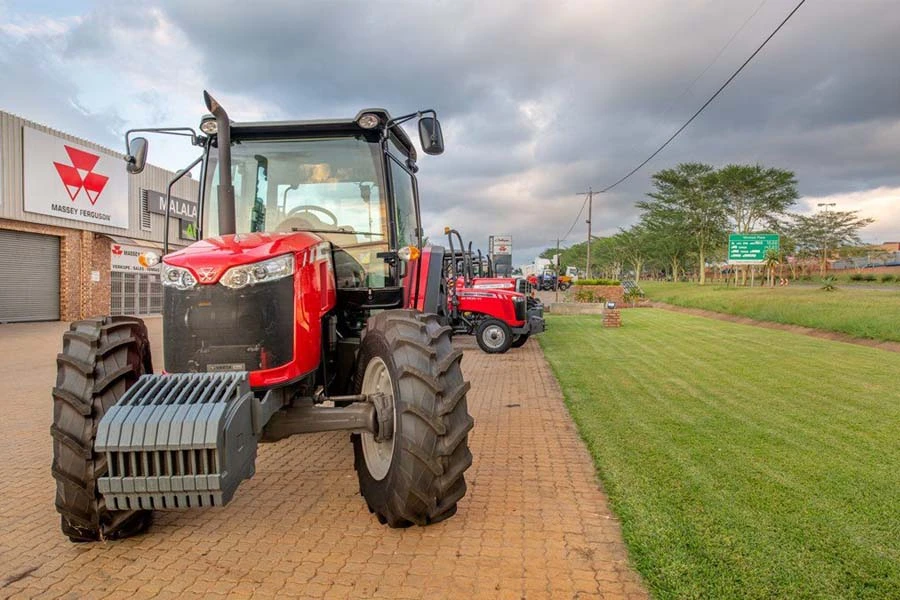
Massey Ferguson’s 385 model is currently the most sought-after model in Togo. Since it is long-lasting and helpful, it has a strong foundation and can be depended on without reservation. The Massey Ferguson tractors in Togo 385 model is the most popular at the moment. Massey Ferguson is one of the best-known tractor brands in the world. The Massey Ferguson model 385 is now the most popular choice in Togo for increasing the productivity of your fields. When it comes to tractor performance, this one has a well-earned reputation for being kind to the soil and plants.

The Massey Ferguson MF-385 series includes two-wheel drive tractors between 50 and 85 horsepower. These tractors are affordable for even the smallest farms due to their cheap upfront and ongoing expenditures. In order to modernize and automate their agricultural production, those that acquire these tractors will have an easier time of it. Massey Ferguson’s MF-385 two-wheel drive tractors are designed to be user-friendly while still being able to fulfill Togo’s rigorous requirements. Small farmers may afford these tractors because of their inexpensive pricing and minimal running expenses. It will be simpler for those who want to modernize and automate their agricultural production if they acquire and operate these tractors. The MF 385 tractors with four-wheel drive are capable of executing multiple jobs concurrently. They are agile in the areas of soil preparation, sowing, and transport work, and they are entirely trustworthy in the areas of vast fields, livestock, and horticultural work. In this scenario, Massey Ferguson tractors in Togo provide the farmer, either for the user, a tool of inexpensive operating costs, easy maintenance, or a full and long-lasting mechanization offer. The Massey Ferguson 385 4WD is an enhanced version of the MF 385 2WD. It offers a fuel efficiency that is 15 percent higher and a fieldwork speed that is 20 percent quicker. Aside from that, the traction of the MF 385 4WD is enhanced by up to 30 percent and the tires wear out 15 percent less rapidly.

Massey Ferguson Tractors in Togo

In Togo, farming and other agricultural activities play an incalculable role in the country’s economy. For Togo’s farmers, modern agricultural machinery is essential if they are to optimize their crop yields. As a consequence, Togo’s farmers are aware of this and have taken steps to address it. Modern farm tractors, which farmers in Togo are currently using for a variety of agricultural jobs, have already begun to be adopted by the country’s farmers. It is no surprise that Massey Ferguson has reacted to Togo’s rising demand for high-quality farm tractors with a broad range of high-performance models that can be bought there. A wide range of prices are available for these tractors. Each Massey Ferguson tractor offers great performance and can withstand years of usage without deteriorating since only high-quality materials are utilized in their construction. Massey Ferguson customers in Togo may choose from a large choice of agricultural tractors made by a variety of various manufacturers and kinds. It is with great pleasure that Massey Ferguson announces the availability of new Massey Ferguson tractors in Togo. So that farmers could meet their increasing demands, this change was implemented. Agricultural tractors and implements manufactured by Massey Ferguson are well-known around the globe for their high quality and durability. Togo is now able to acquire a large number of Massey Ferguson tractors in Togo, owing to the business Massey Ferguson. Every kind of tractor has its own unique engine capabilities that may vary from 50 to 85 horsepower, depending on the model.