Fuel-Efficient Tractors for DRC Agriculture

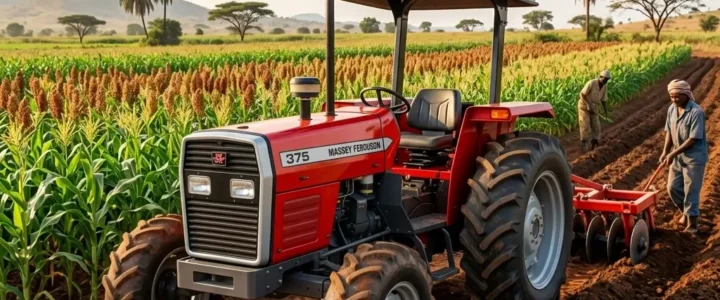
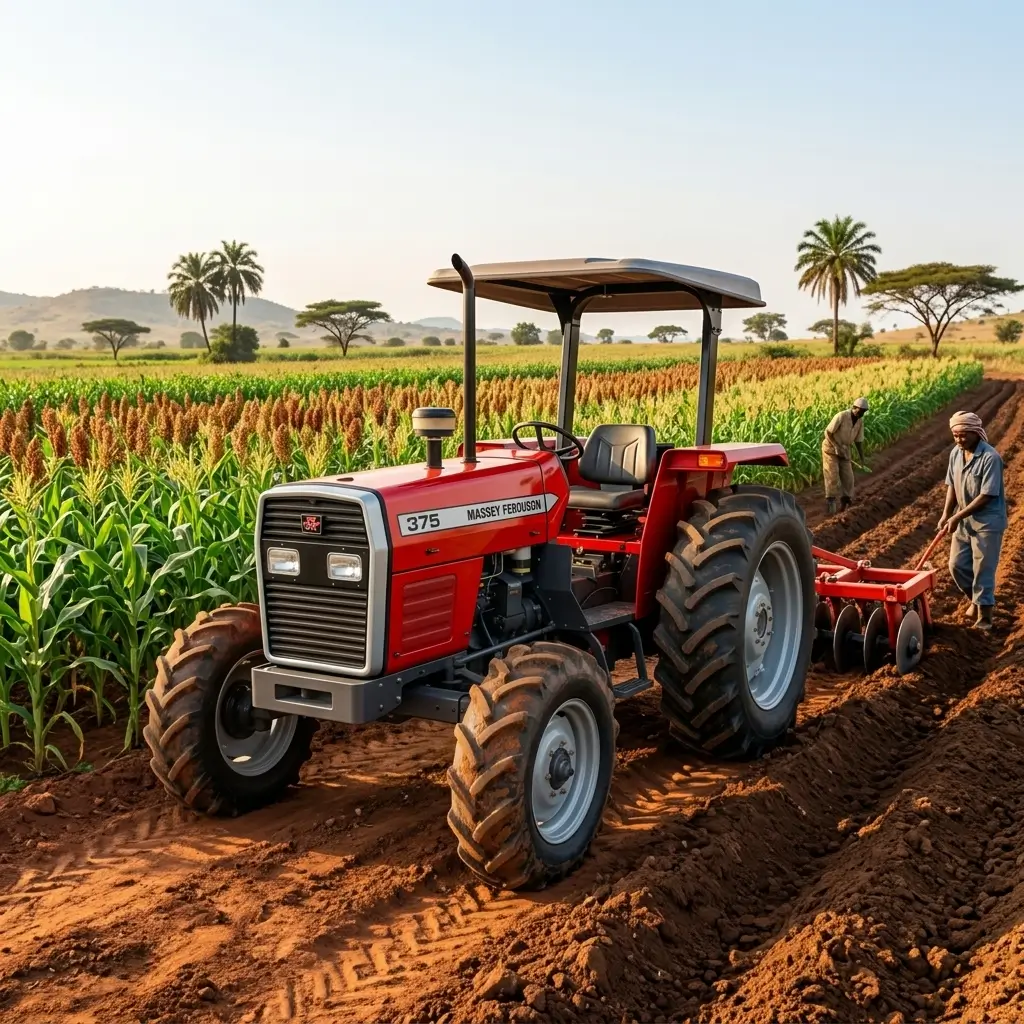
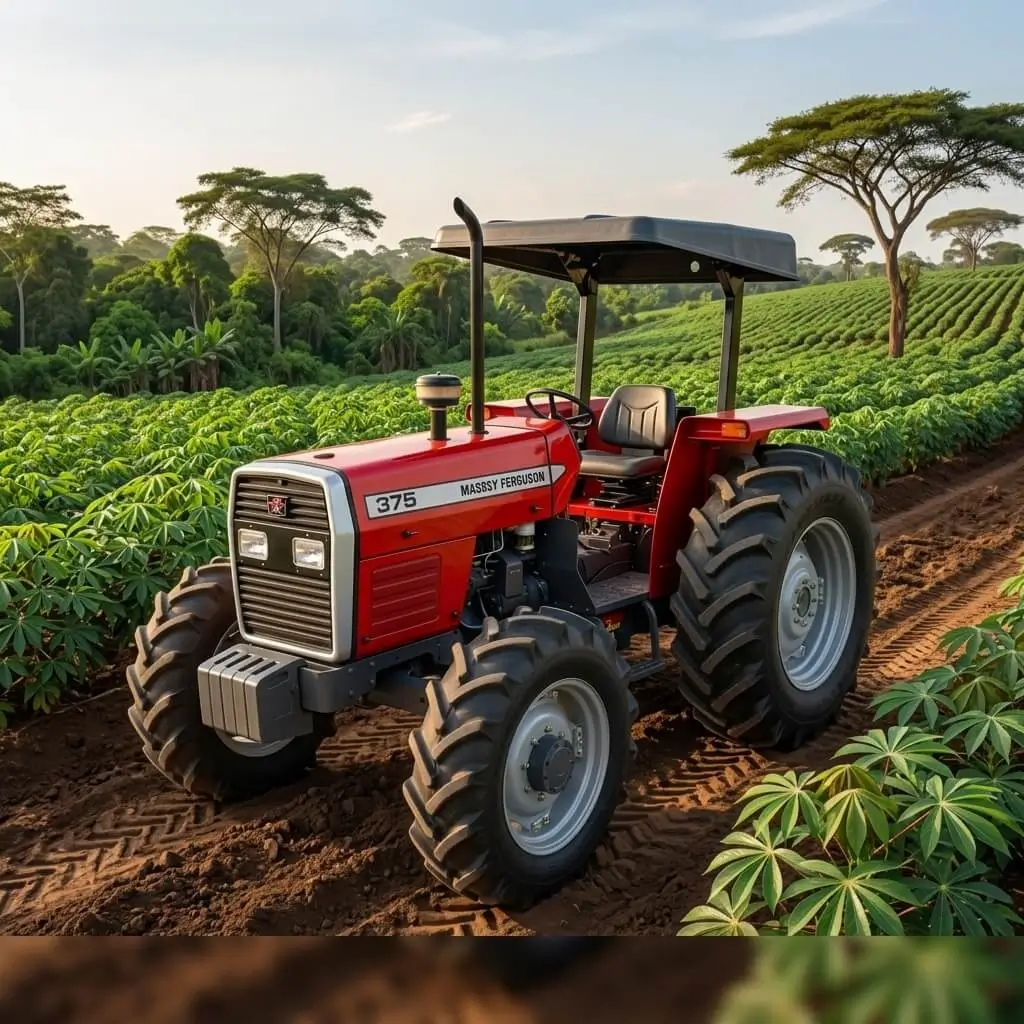
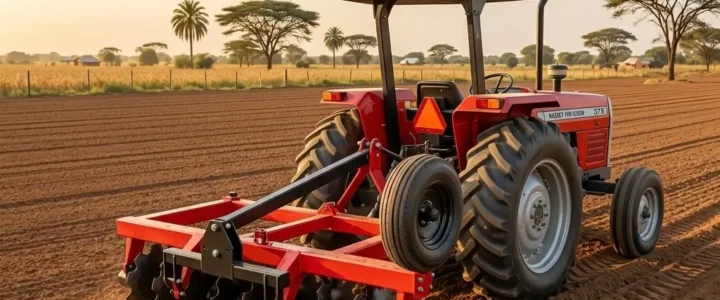
Red Massey Ferguson 375 tractor parked on a dirt path in a lush green crop field.

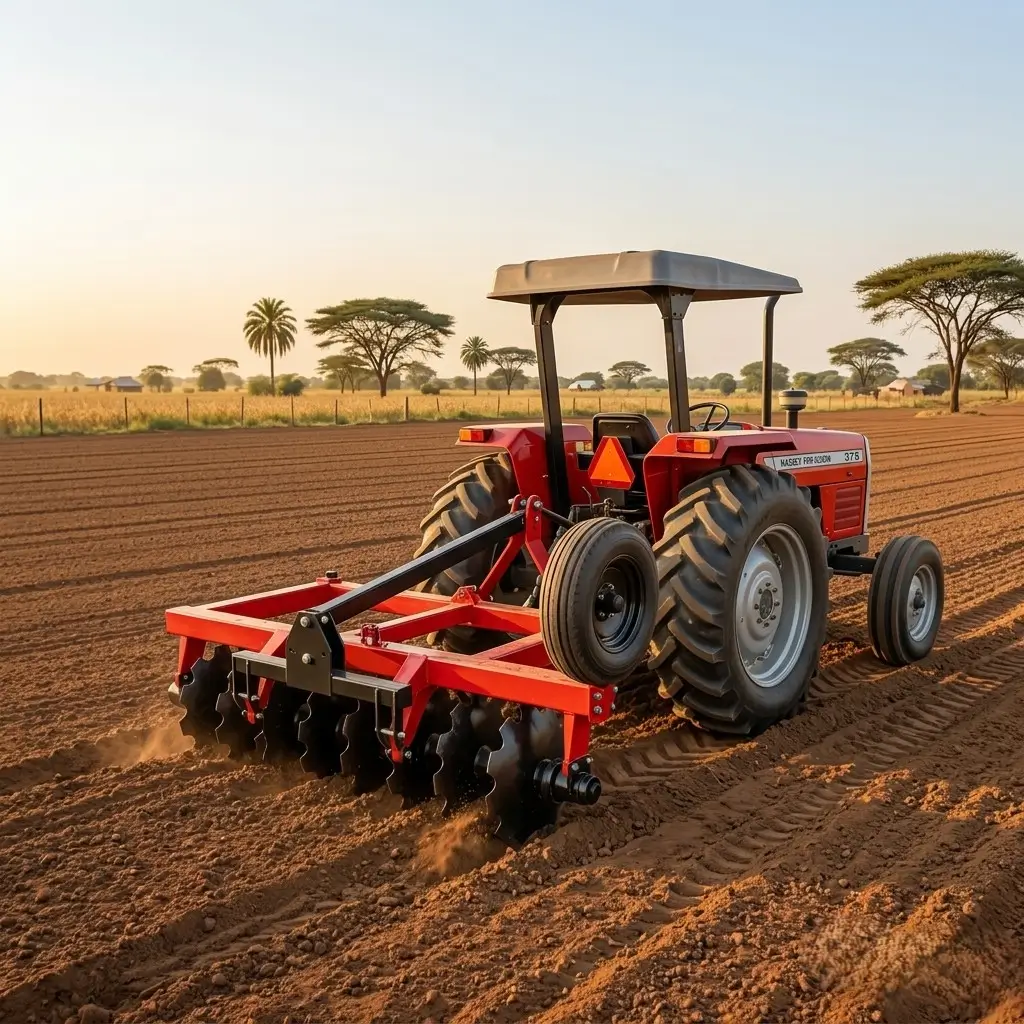
Fuel-efficient tractors help farmers in the Democratic Republic of the Congo (DRC) lower running costs, work larger fields, and increase harvest yields. Tractors PK supplies export-quality Massey Ferguson and New Holland tractors engineered for economical fuel consumption and reliable performance across Congolese farmland.

For farmers in DRC, where fuel can be costly and supply inconsistent, choosing a fuel-efficient tractor is one of the most important decisions for long-term profitability. This guide explains why fuel efficiency matters, which models suit different farming needs, and how Tractors PK supports Congolese farmers.

Why do fuel-efficient tractors matter in the DRC?

Fuel-efficient tractors matter in the DRC because they directly reduce the biggest ongoing expense in mechanised farming: fuel. Lower fuel consumption means more affordable ploughing, tilling, and harvesting, allowing farmers to reinvest savings into seeds, labour, and expansion.

In many rural areas of the Democratic Republic of the Congo, fuel access can be limited and prices volatile. A tractor that delivers more work per litre of diesel offers three key advantages:

  • Reduced operating costs across every farming season
  • Greater field coverage before needing to refuel
  • Improved return on investment over the tractor’s lifespan

What are the best fuel-efficient tractors for DRC farming?

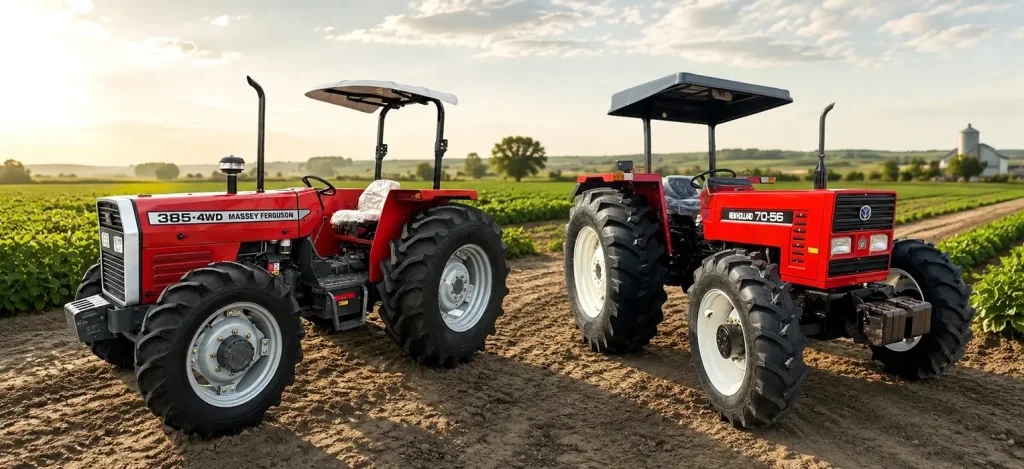
The best fuel-efficient tractors for DRC farming are the Massey Ferguson and New Holland ranges supplied by Tractors PK, available in horsepower options that match small farms, mid-size holdings, and large commercial operations.

Massey Ferguson tractors for fuel efficiency

Massey Ferguson tractors are a trusted choice known for durable in-line engines that balance power with economical fuel use. Tractors PK offers a range of models suited to different farm sizes in DRC:

Massey Ferguson is better suited to farmers who need proven reliability and consistent performance under extreme pressure on Congolese fields.

New Holland tractors for fuel efficiency

New Holland tractors offer advanced engine technology, a swift transmission system, and an enhanced gearbox that supports efficient fuel use. According to Tractors PK, New Holland tractors combine affordability with a strong mechanical structure that protects the engine against harsh climatic conditions. Popular models available in DRC include:

New Holland works best when farmers want modern technological features alongside fuel economy.

Should you buy a new or used fuel-efficient tractor?

Both new and used fuel-efficient tractors are available at Tractors PK, allowing farmers in Congo to choose based on budget. Brand-new tractors offer the latest efficiency features and a warranty with free maintenance service, while quality-checked used tractors deliver reliable performance at a lower cost.

Boost efficiency with fuel-saving implements

Pairing a fuel-efficient tractor with the right implement reduces the number of passes needed across a field, saving both time and diesel. Tractors PK supplies a full range of tractor implements in DRC, including farm trailers, disc harrows, ridgers, and rotary slashers.

Frequently Asked Questions

How can I reduce fuel consumption on my tractor in the DRC?

You can reduce tractor fuel consumption by matching horsepower to the task, maintaining the engine regularly, using well-suited implements, and avoiding unnecessary idling. Choosing an inherently fuel-efficient model, such as a Massey Ferguson or New Holland from Tractors PK, is the most effective starting point.

Which tractor horsepower is best for small farms in the DRC?

For small farms in the DRC, tractors in the 50–60 hp range, such as the Massey Ferguson MF-240 or New Holland 480S, are typically the most fuel-efficient choice, delivering enough power without wasting diesel on oversized engines.

Does Tractors PK deliver fuel-efficient tractors across the DRC?

Yes. Tractors PK is an established exporter that supplies Massey Ferguson and New Holland tractors to farmers throughout the Democratic Republic of the Congo, delivering directly to your doorstep.

Do fuel-efficient tractors from Tractors PK come with a warranty?

Yes. Brand-new tractors purchased from Tractors PK include a warranty period followed by free maintenance service, giving farmers added peace of mind.

Farm Tractors in Democratic Republic of the Congo

Farm Tractors in Democratic Republic of the Congo

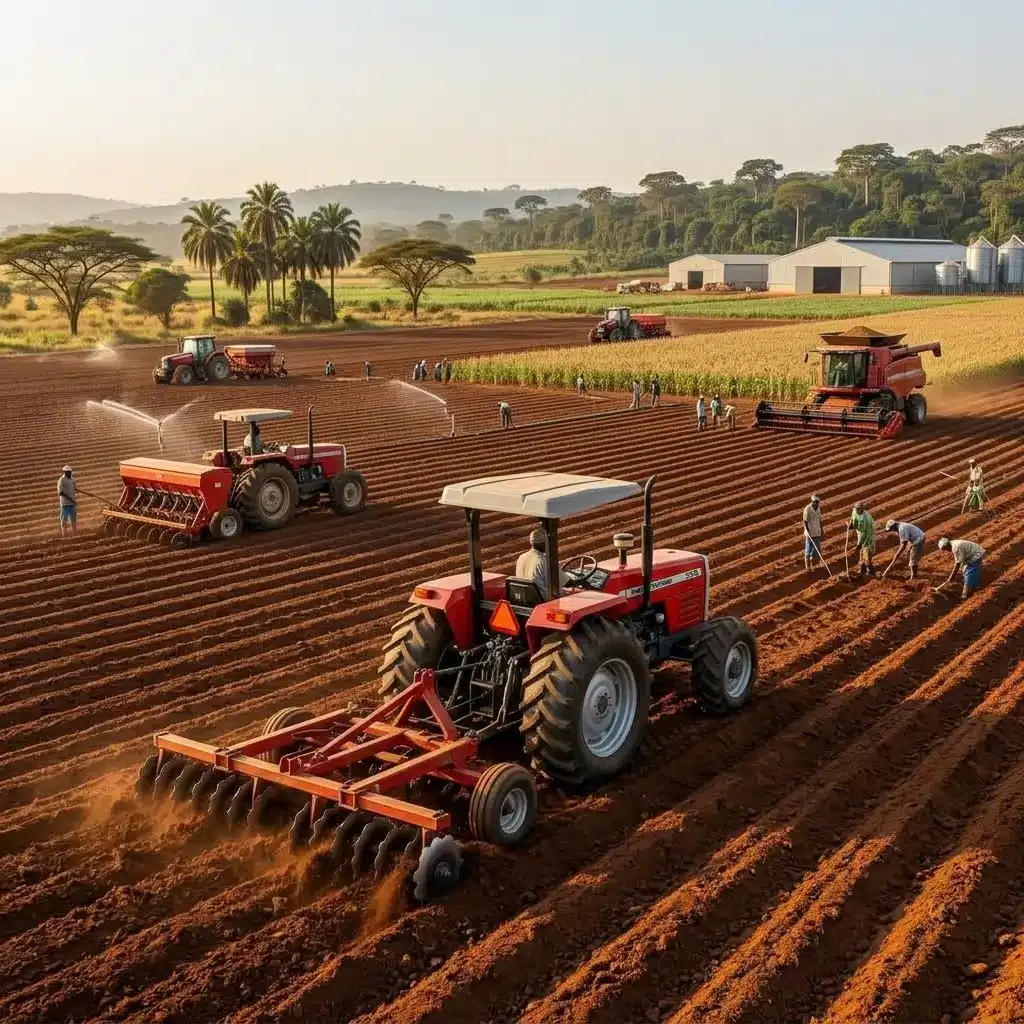
Agriculture remains a vital part of life and business across the Democratic Republic of the Congo. As farmers look for better yields, faster fieldwork, and lower labor pressure, the demand for Tractors for Sale in DRC continues to grow. For many farmers, the right machine is not just equipment. It is a practical investment that supports land preparation, planting, transport, and harvest.

Farm Tractors in Democratic Republic of the Congo

Tractors Pakistan offers a wide range of farming solutions for the Congolese market, with a strong focus on affordability, durability, and field performance. Their inventory includes both new and used tractors, along with combine harvesters and essential implements suited to everyday agricultural work in Congo.

Massey Ferguson Tractors for Sale in DRC

For farmers searching for dependable and widely trusted machines, Massey Ferguson tractors DRC remain a top choice. Tractors Pakistan lists several popular models designed to meet different farm sizes and power needs.

The available Massey Ferguson range includes the MF-240 50 HP, MF-260 60 HP, MF-360 60 HP, MF-375 75 HP, and MF-385 85 HP in both 2WD and 4WD options. This variety gives Congolese farmers the flexibility to choose a tractor that matches their land conditions, crop type, and working budget.

The lower horsepower models, such as the MF-240 and MF-260, are suitable for general farm duties and medium-scale operations. For heavier work, the MF-375 and MF-385 models offer stronger pulling power and improved performance in demanding field conditions. The availability of both 2WD and 4WD versions is especially useful in areas where traction and field mobility matter.

New Holland Tractors for Congo Farmers

Another strong option for buyers seeking New Holland tractors Congo is the range available through Tractors Pakistan. These tractors are known for solid engineering, practical operation, and value for money.

The listed models include the New Holland 480S 55 HP, New Holland Ghazi 65 HP, New Holland 640 75 HP, New Holland 70-56 85 HP, and New Holland Dabung 85 HP. These tractors suit a broad range of agricultural tasks, from cultivation and haulage to land preparation and general farm transport.

For DRC farmers who want dependable performance with modern mechanical strength, New Holland offers a practical solution. Their reputation for affordability and robust design makes them a strong fit for local farming needs.

Agricultural Machinery in DRC

Tractors Pakistan also supplies Agricultural machinery DRC farmers need beyond tractors alone. Buyers can find combine harvesters, with both new and used options available, helping farmers improve harvesting speed and reduce manual effort.

Essential implements are also part of the product range, including the Border Disc, Rear Blade, Bed Shape Planter, Water Bowser, Sub Soiler, and Farm Trailer. These tools support efficient farming by improving soil preparation, water handling, planting, and transport.

Affordable Solutions for Better Farming

For many buyers in Congo, cost matters as much as performance. That is why the availability of both new and used machines is important. Tractors Pakistan positions itself as a source of professional farming solutions that help farmers balance quality with budget.

Whether you need a compact tractor for daily use or a higher-horsepower model for demanding fieldwork, the available selection of Tractors for Sale in DRC offers practical choices for modern Congolese agriculture.

Farmer’s credit access in the Democratic Republic of Congo

Farmers credit access in the Democratic Republic of Congo

There are several barriers to small-scale farmers’ ability to maximize productivity. Inadequate agricultural production chains and antiquated farming methods also contribute to the industry’s low output. The agricultural potential of the Democratic Republic of the Congo (DRC) is enormous. DRC has mostly failed to make the necessary investments and policy adjustments to realize its promise as a food basket for Africa. Gaining access to credit is a critical factor in the success and expansion of many enterprises, including horticulture farming. Because it impacts whether or not farmers have access to essential resources including land, labor, agricultural machinery, tractors, and farm implements, credit services are more than simply another source of inputs. Because of this, improving agricultural growth and production efficiency begins with expanding access to agricultural loans and teaching farmers how to manage their money.

Challenges and Risks in access to credit finance by Smallholder farmers

Small-scale farmers cultivating land for both sustenance and profit have historically dominated agriculture in the Democratic Republic of the Congo. If it is given enough funding, the industry may help alleviate poverty in rural areas. There are several obstacles in the Democratic Republic of the Congo (DRC) that prevent people from gaining access to agricultural financial financing. Inadequate government collateralization programs, inadequate financial product offerings from service providers, and a lack of financial knowledge among smallholder farmers all contribute.

The risks inherent in the agricultural industry may explain why smallholder farmers, in particular, have such a hard time gaining access to agricultural financial financing. These farmers are unable to get loans due to a lack of collateral and the widespread abuse of agricultural finance. As a result, it is unable to have the desired effect on productivity and, eventually, threatens their ability to make a living. A loan’s potential to boost agricultural output is also contingent on factors such as ease of access and the fairness of credit distribution. Increased farm output may be achieved via the combination of modern agricultural technology and technologies and access to affordable agricultural loans.

The inability of small-scale farmers, in the Democratic Republic of the Congo, to obtain credit, remains the most pressing issue that seriously hampers agricultural output. Propensity Score Matching is a non-parametric approach used to analyze the impact of credit constraints on the financial security of rural households. Farmers’ access to both unsecured and secured credit plays a major role in the success of their business endeavors. Loans improve farming output by freeing up farmers’ access to working capital, encouraging them to invest in cutting-edge machinery, and allowing them to make more efficient use of their fixed resources. The agricultural credit failure mechanism for farmers, limiting their access to and participation in credit services are prevalent difficulties throughout the various areas of DRC, despite its key role to revitalize the agriculture sub-sectors production.

How to provide access to credit to smallholder farmers

Small-scale farmers in the Democratic Republic of the Congo (DRC) continue to have difficulties gaining access to agricultural loans as a result of financial market flaws and a shortage of microfinance institutions. The likelihood of farmers gaining access to agricultural financing from financial institutions improves if they have better access to extension services. Farmers who are not able to get agricultural loans from financial institutions may modify their risk outlook on credit if they were provided with information on agricultural credit via farmers’ groups. Additionally, banks and other lending institutions should make it simple and affordable for small-scale farmers to get agricultural loans. Furthermore, the government should put money into fixing the flaws in the financial industry that are preventing farmers from gaining access to financing.

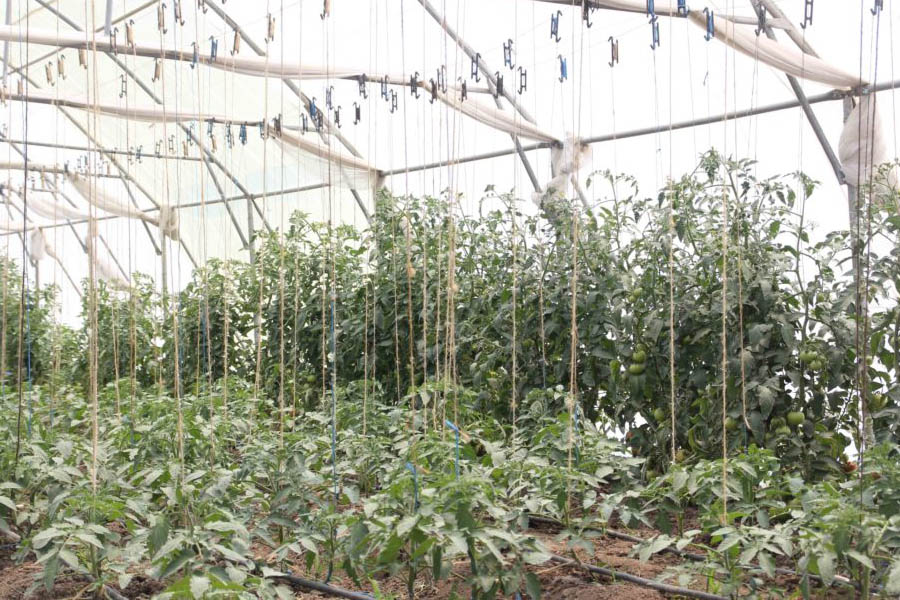
It is imperative that DRC policymakers understand the difficulties tomato farmers in Congo are having in gaining access to loans. Thus, they would be able to facilitate the implementation of financial policies at the farm level, thus enhancing the capital use of loans in agriculture.

How exactly does credit improve agricultural output in the DRC?

Farmers in DRC may benefit from the increased output if they had access to funding to purchase any number of the many types of agricultural machinery, tractors, and other farm implements that are available at Tractors PK for purchase in the country. Massey Ferguson tractors for sale, New Holland tractors for sale, as well as combine harvesters and several other farm implements, are included in this category which can be purchased from Tractors PK DRC. However, there is still a long way to go before smallholder farmers in DRC have complete access to and reap the full benefits of agricultural finance. For existing financial institutions to expand their services into rural areas and for new players to emerge, the government must first build legal frameworks and implement improvements to the financial sector. Maintaining financial discipline and reducing moral hazard requires reevaluating bank branch licensing rules and increasing monitoring of rural formal banking institutions.

Current Practices and Prospects of Climate Smart Agriculture in the Democratic Republic of Congo

Current Practices and Prospects of Climate-Smart Agriculture in Democratic Republic of Congo

Food security in Africa is in jeopardy due to climate change. Most people in the Democratic Republic of the Congo (DRC) live in rural areas and rely on agriculture for their livelihood. Thus, there is an immediate need to revamp agriculture in order to guarantee food security and sustainable use of natural resources. Farmers on small plots of land have used a variety of tactics and practices to adapt to the changing environment. The Democratic Republic of the Congo (DRC) is looking for viable options to mitigate the devastating consequences of climate change on people’s standard of living. Sustainable advances in agricultural, livestock, fishery, and forestry production systems, as well as enhancements in the livelihoods and incomes of rural people, have been credited, in part, to Climate Smart Agriculture (CSA). CSA is proven to do this while also bolstering resilience and aiding in climate change mitigation initiatives.

Current Practices and Prospects of Climate-Smart Agriculture in Democratic Republic of Congo

Climate change and agriculture in DRC

Slash-and-burn farming, which is popular in DRC’s forested regions, is an example of the country’s traditional agricultural practices. In addition, high-altitude volcanic mountain zones are often used for contour farming. Extensive agricultural systems are unsustainable because they increase GHG emissions and hasten deforestation as farmers seek for more farmable land. A wide variety of agroecological zones may be found across the nation, from tropical rainforests to highland terraces, savannahs, thick grasslands, and mountains.

Climate change will increase global temperatures, which will have a negative effect on the quality and production of crops used for food and economic security. These crops include coffee, soybeans, bananas, and plantains. Unlike other crops, rice production in the DRC may see an increase. Other crops planted in DRC wetlands are being replaced by rice due to its increased yield and resistance to the frequent flooding that now occurs even in dry seasons. Extended dry periods and unpredictable rainfall might have a significant impact on livestock, leading to significant animal losses and/or spoiling of livestock products in addition to endangering agricultural output.

How does Climate change impact agricultural activities?

Regional climate models of the DRC predict that an increase in temperature, a decrease in rainfall, and irregular or even extreme situations will inevitably lead to a significant decrease in agricultural production and yield, a greater sensitivity of crops to pest attacks, and a decrease in soil fertility. Pests spread as a result of climate change because of their ability to move from one place to another. Consistent with these theories, the most significant effects are the emergence of novel weed species, a decrease in agricultural productivity, and the advent of new crop pests. Rain-fed farming in eastern DRC has received a lot of attention because of the focus on lowering yields.

While some farmers may use crop rotation, fallow practice, or replanting the same kind of seed in response to a decline in yield, the vast majority do not. Additionally, they use the usage of suitable agricultural machinery such as tractors, farm implements, combine harvesters, and so on. Others, however, clear more land in the woods, increasing the forest’s vulnerability to climate change as a result of deforestation. Farmers in the DRC have a lower adaptive ability than their counterparts in other African nations. When compared to other farmers, those in the Democratic Republic of the Congo have more options when it comes to axes. Maybe it’s because they’re so close to INERA/Yangambi, the National Institute of Agronomic Studies and Research.

CSA technologies and Practices

Several methods are used by farmers in the DRC to boost output, adjust to potential futures of climate change, and lessen the impact of the country’s heavy carbon footprint. Forestry CSA techniques seek to use agriculture as a solution to minimizing deforestation, all while reducing agriculture’s carbon impact and fostering a more resilient and productive agricultural system. Due to the vast acreage of forested land in DRC, agroforestry has received widespread support from scientists. Low agroforestry adoption rates among smallholder farmers suggest ineffective extension service delivery of information about the practice’s many advantages and its role in mitigating the effects of climate change. Furthermore, government and non-government organizations’ technical and financial backing is vital to the sustainability of such a CSA method. However, dedication from all stakeholders (government, business sectors, NGOs, educational institutions, and farmers) is necessary from inception to execution if these aims are to be realized.

A number of projects addressing CSA practices were started in the eastern DRC. These include developing bio-fertilizers and bio-pesticides, recycling waste, using resilient crops, adaptive agroforestry tree selection, soil and water conservation strategies, assessing land use and land cover in wetlands, and more. Crop rotation, fallow practices, bio-fertilizers, bio-pesticides, mulching, various crop types, agricultural diversity, modifying planting dates, and bolstering nonfarm activities are some CSA methods in crop production mentioned in DRC.

Role of Tractors PK DRC

Tractors PK DRC sells Massey Ferguson tractors in DRC, New Holland tractors in DRC, combine harvesters, and other farm implements and agricultural machinery to farmers. Tractors PK’s capacity to provide tractors at cheaper pricing may be useful for the country’s smaller farms. Tractors PK is a tractor dealer in DRC that offers tractors and other agricultural machinery at costs that are reasonable for small-scale farmers. Now that they have Tractors PK, farmers in the DRC can kick back and take satisfaction in their work.

Low Cost Technologies for Improving Farming Techniques in DRC

Low-Cost-Technologies-for-Improving-Farming-Techniques-in-DRC

Digital technology holds promise to dramatically enhance smallholder productivity and incomes by increasing on-farm and off-farm efficiency, enhancing traceability, reducing vulnerability to counterfeit products, and improving farmers’ access to output, input, and financial markets. The change is driven by the introduction of new forms of intermediation and the collection, use, and analysis of massive amounts of agriculture data to disrupt existing business models. New strategic partnerships in the Democratic Republic of Congo (DRC) between the public and private sectors are an essential component for reaping the positive impacts of digital technology and avoiding unintended and unwelcome secondary effects.

Farming Techniques in the DRC

The revolutionary power of digital technology to fuel expansion in DRC

DRC’s agriculture sector is undergoing a digital transformation due to the introduction of cutting-edge instruments and fresh approaches to agriculture. Several stakeholders in the value chain, such as smallholder farmers, now have access to real-time data and computing capacity, allowing for more efficient product-to-market decision-making, loan and insurance supply, and micro-insurance coverage.

It is important to note that network effects are also being created by digital agricultural data, which is driving expansion. By connecting farmers directly to markets, service providers, and aggregators, new business models and e-commerce platforms are made possible by digitization and artificial intelligence, which together with the growing popularity of the sharing economy, boost the profitability of smallholder farming by decreasing the length of the value chain. Smallholder farmers now have easier and more affordable access to agricultural machinery because of the sharing economy, which has a direct impact on crop output.

The advantages are not limited to just higher crop production; Precision farming, agricultural machinery leasing, service provision, and e-commerce are all entrance points for digital technologies in agriculture that might help meet the industry’s most pressing need: recruiting young, ambitious, and job-seeking individuals.

Potential Benefits of using digital technologies

Possible uses for digital technology in farming include:

  • Help small farmers take advantage of the rapid rise of e-commerce and the sharing economy by providing them with agricultural machinery sharing apps like Uber;
  • Value extraction from agricultural data and the establishment of a network effect as a means to rapid expansion. By automating the supply chain, removing inefficient intermediaries, minimizing food waste, and lowering food costs, the mobile-based e-commerce marketplace platform brings fresh produce to a wider market;
  • The transparency gained via the digitization of various operations may increase productivity and cut down on transaction costs;
  • Provide a unified mobile platform of digital services for farmers by making market data more widely available. It is a one-stop shop where farmers can get affordable agricultural machinery, financing, educational materials, and market opportunities;
  • Foster on- and off-farm employment for the next generation of tech-savvy farmers.

Agricultural Technologies for Smallholder Farmers

Testing technologies in farmer fields was initiated in response to the significant production gap and discovered problems with technology transfer. The development and dissemination of technological advances to the resource-poor farmers of the DRC are hampered by low farmer technology adoption. Yet, double ploughing has only been adopted by a small fraction of farmers because of its reputation for double harvests. Some additional potential technologies that have only been adopted by a minority of farmers include improved crop varieties, integrated pest control tactics, and better crop management practices.

The reliability of DRC’s draft power grid has a major impact on farm incomes. Income from farming was much higher for resource-poor farmers who had access to enough draft power compared to those who did not. Farms that use agricultural machinery and tractors often see more profits than their draft-powered counterparts because of the higher productivity they experience. Farms that used tractors and other farm implements to work had higher average total income, while those who relied on oxen and donkeys saw the lowest. Having access to dependable draft power equipment may boost a farm family’s revenue.

There are several reasons why farmers are hesitant to accept new technology, such as a lack of agricultural machinery, a heavy task, inadequate resources, unpredictable weather, a lack of draft power, a lack of accessible labor, a lack of compatible seeds, or a lack of perceived advantages. Some of the biggest barriers to the adoption of these technologies may be removed if we work with farmers to help them see the benefits of the innovations and if we subsidize the purchase of some of the innovations that resource-poor farmers cannot afford.

Role of Tractors PK

Tractors PK can help the farmers of the Democratic Republic of the Congo save a lot of money on much-needed agricultural machinery while simultaneously increasing the farmers’ ICT literacy via the usage of technologically-based crop information systems. In the same way that Tractors PK may save farmers a ton of money on much-needed agricultural machinery, technology-based crop information systems have the ability to increase farmer literacy and the adoption of innovative agricultural technologies. The smallholder farmers in the DRC feel more secure now that Tractors PK exists. Farmers are hopeful about the project’s prospects because of the abundance of high-quality agricultural machineries available for purchase, such as Massey Ferguson tractors and New Holland tractors, as well as other farm implements like combine harvesters.

Creating Crop Insurance Market and Protecting Smallholder Farmers in DRC

Creating Crop insurance market and protecting smallholder farmers in DRC

Even though it is able to produce enough food to sustain its own people, the DRC could feed the whole of Africa if it chose to do so. The agriculture industry has enormous untapped potential as a tool for combating poverty and fostering economic growth. Many people work in agriculture, and they are vulnerable to dangers and financial shocks that might keep them trapped in a downward spiral of poverty. However, insurance and other forms of financial protection might make it easier to deal with unexpected events.

Why crop insurance is required?

A new approach to crop insurance is based on the use of information and communication technology to facilitate the development of trade links between participants in the value chains of agricultural products. In addition to its obvious value in safeguarding smallholder farmers’ incomes from the effects of pests, disease, climate change, and other forms of environmental unpredictability, crop insurance is gaining popularity as a way to encourage banks to provide credit to farmers by lowering the likelihood that they will default on loans in the event of massive crop failure. In order for smallholder farmers in the DRC to afford necessary inputs, agricultural machinery, and postharvest management services, crop insurance is a vital cog in the financial wheel.

When compared to other regions, the insurance market in the DRC is significantly underdeveloped. In addition, the nation lacks access to some types of insurance, such as agricultural coverage. In the DRC Agriculture sector’s enormous potential for poverty reduction and economic growth is mostly untapped. Farmers and pastoralists in the DRC would benefit greatly from improved access to credit if agriculture insurance were to be developed, as would the resilience of families and businesses that rely on the agricultural sector.

Efforts for creating a Crop insurance market

To aid with the consolidation, integrity, accessibility, and sustainable growth of the DRC’s financial system, the World Bank has authorized a Financial Sector Development Programmatic Advisory Services and Analytics (ASA) project. The improvement of agricultural insurance is one of the project’s foundations. As of 2016, the legislation mandating the liberalization of the insurance market was in force, breaking the monopoly of the state-owned SONAS and allowing private investment in the sector to help reduce the protections gap.

It took four years for private insurance businesses to be given licenses to operate in the nation after the insurance industry was liberalized according to the Insurance Code of 2015. Beginning with this ASA initiative, efforts are underway to expand agricultural insurance in order to improve farmers’ and pastoralists’ access to credit. A more stable, competitive, and inclusive system that can provide low-cost financial services and goods is essential for development and poverty reduction, and this is thought to benefit smallholder farmers.

Agricultural insurance in DRC

Access to agricultural financing in DRC is hampered by a number of factors, one of which is a deficiency of risk management mechanisms. The insurance industry is, however, severely undeveloped. There was just one insurance company, SONAS, in the nation from 1966 until 2015. Since the Insurance Code was liberalized in 2015, the Insurance Regulation and Control Authority (ARCA, for its French initials) has been in operation since 2017. Since then, the market has seen the licensing and operation of eight insurance carriers and several brokers. At least $500 million in additional premium volume is seen as achievable for the market.

The growth of agricultural insurance would strengthen the economy by increasing the number of people covered and the number of people who have access to credit in the Democratic Republic of the Congo (DRC). The GIIF is providing funding for a World Bank Group initiative that aims to reduce the protection gap in agriculture. This will improve both the agricultural and insurance industries.

Crop insurance benefits for smallholder farmers

Creating Crop insurance market and protecting smallholder farmers in DRC

Crop insurance would provide smallholder farmers to coordinate appropriate policy actions with the insurance regulating authority (ARCA) and establish public-private partnerships and determine viable avenues for government intervention, including financial incentives (such as premium subsidies and tax exemptions), infrastructure support (such as weather stations, early warning systems, data for weather and yields, etc.), and financial education delivered via rural networks to farmers. It helps to create insurance products for the pilot and aids in the product launch while also providing training to local stakeholders on insurance to increase their knowledge and capability in these areas. Market research, product appraisal, actuarial pricing, and portfolio valuation may all benefit from the creation and distribution of analytical tools with supporting documentation. Although insurance companies do not directly provide credit, they may have a significant effect on a customer’s ability to do so. When agribusinesses have solid insurance coverage, banks are far more inclined to lend to them, and they may even provide reduced interest rates. Farmers in the DRC may use that money to buy tractors and other agricultural machinery from Tractors PK, such as Massey Ferguson tractors for sale, New Holland tractors for sale, combine harvesters, and more. Small-scale farmers may benefit from Tractors PK’s wide selection of reasonably priced tractors and other farm implements.

Challenges Faced by Smallholder Farmers of DRC to Access Agricultural Productive Resources

Challenges Faced by Smallholder farmers of DRC

Farmers on small plots of land are essential to the DRC’s agricultural system and play a major role in all three facets of food security: food production, distribution, and consumption. However, a significant barrier still exists for Smallholder farmers: limited access to productive resources. The term “resource” refers to any material or immaterial asset, such as land, agricultural machinery, money, agricultural supplies, knowledge or the ability to make decisions, or time. To have access to something means you can obtain it, use it, and have some say in how you utilize it. Farmers already see climate change as a risk to agricultural food production, and the problem has deteriorated with the COVID-19 epidemic, which has thrown off input supply chains and the planting schedule.

Opportunities and Challenges

Agriculture in the Democratic Republic of the Congo has been proclaimed a priority by many different administrations throughout the years as a means to combat poverty. They said they would improve infrastructure for farmers, put more money into agriculture, and find more ways to add value to crops and harvests. However, the COVID-19 outbreak and political instability in eastern DRC and Ituri are expected to exacerbate the issue by interfering with government plans and its sources of funding. Remember that decades of civil unrest, conflicts, wars, and instability in DRC followed the deterioration of the agricultural sector, which started primarily with the Zairianization of 1973. There are also issues with corruption, misappropriation of monies meant for social programs like agriculture, and land disputes and land grabs.

Access to Agricultural Information, Technologies, and Credit

Post-harvest technology, enhanced plant varieties, and IPM strategies are all examples of agricultural innovations. For instance, Bacillus amyloliquefaciens has been discovered to have promising potential as a biocontrol agent against various plant fungal diseases in corn-based farms. As a common method of soil conservation, less tillage helps keep soil from washing away and allows for more water to be stored in the ground. Despite the better yield potential of modern maize, rice, bean, and cassava varieties compared to traditional varieties, adoption of these technologies has remained low in DRC in an effort to enhance food security. As the year 2000 begins, thousands of smallholder farmers in the Congo have gathered together in farmers’ “groups and field farmers’ schools” to learn the Integrated Pest Management (IPM) techniques, promoted by FAO, as part of a large urban and peri-urban horticulture project for sustainable vegetable production.

Unfortunately, most of the new techniques these farmers used throughout the project’s implementation (2000-2012) have been abandoned in favor of more conventional methods of crop production. This dismal performance prompts inquiries into the decision-making processes of smallholder farmers and the obstacles they confront in gaining access to, controlling, and benefiting from sustainable agricultural advances. This holds true because farmers’ willingness to pay for new products and agricultural machinery may be affected by their awareness of the benefits they would get from using such products.

Several related variables account for the difficulties farmers in the DRC have in gaining access to relevant data. First, owing to dysfunction and low endowment of extension service, the link between research institutes and farmers has been severed, if not ruptured. Major barriers to the adoption of agricultural technology and agricultural machinery include a lack of knowledge and inadequate extension services, both of which slow the effective attainment of the established goals of enhancing the socioeconomic welfare of smallholder farmers. Second, the government has not been able to build up an information and alert system, and regularly gather data to evaluate and comprehend farmers’ difficulties, due to the low percentage of the national budget allotted to agriculture and also insecurity in rural regions. Third, smallholder farmers have a harder time transporting their goods to markets because of deteriorating roads and a lack of interprovincial connectivity.

Access to finance

Food insecurity in the area is only one of the many potential side effects of this situation, along with issues like extreme price swings in the agricultural product market. In addition, there is a favorable correlation between having access to financial resources and enhancing agriculturally-based food security. This means that smallholder farmers who have access to financing in order to buy inputs like tractors, farm implements, enhanced technology, fertilizers, and irrigation equipment enjoy higher crop yields and thus higher incomes. Farmers who diversify their crops are better able to weather the effects of climate change and insect infestations.

The socio-economic, technical, and institutional elements that affect smallholder farmers’ access to the credit include education, application processes, access to land, income level, farm size, participation in economic organizations, savings, crop cultivated, interest rate, and distance to the bank. Moreover, the high-interest rates, the absence of collateral, and the lenders’ assessment of the hazardous nature of agricultural operations have all contributed to the farmers’ reluctance to seek credit or to be authorized for a loan. Those in need of Massey Ferguson tractors for sale, New Holland tractors for sale, farm implements or combine harvesters in the Democratic Republic of the Congo may continue to rely on Tractors PK to connect them with reliable suppliers at affordable prices. As the biggest exporter of agricultural machinery from Pakistan, Tractors PK is also the most trusted source for tractors in DRC. When compared to the competition, our tractors are of the best value.

Adoption of Conservation Agriculture in the DRC

Adoption of Conservation agriculture in the DRC

The government of the Democratic Republic of the Congo (DRC) made a commitment in 2013 to prioritize the sustained improvement of agricultural production as part of the National Agriculture Investment Plan (PNIA) of the Comprehensive Africa Agriculture Development Programme. The term “Conservation Agriculture” (CA) refers to a management strategy centered on three complementary tenets: (i) no or little mechanical disturbance of the soil on a continuous basis, (ii) a mulch layer that is kept in place year-round, and (iii) a rotation of crops to avoid soil monotony. Due to its potential extensive advantages in economic, environmental, and social realms, CA is a promising idea for sustainable agriculture.

Adoption of Conservation agriculture in the DRC

Benefits of Conservation Agriculture

When compared to the prevalent practice of slash-and-burn agriculture in the DRC, the economic advantages of CA are measured in the amount of time and effort saved by farmers. Farmers who began using CA spent far less time weeding their fields than their counterparts who did not. Weeds are less of a problem when there is a lot of mulch on the ground, therefore there is less need to weed.

Potentially higher yields are another economic benefit. One of the key agronomic advantages of CA is that it improves soil structure and increases organic matter, both of which make the land more productive. Because of this, water and nutrients are utilized more effectively, which has the ability to both protect the soil and boost agricultural output. Financial gains (from increased yields) and cost savings may result from adding organic matter to boost fertility (reducing the need for inorganic fertilizer). Soil erosion prevention and carbon sequestration are two environmental benefits that make California an attractive location for climate-smart farming, and these advantages are mostly the consequence of mulching and the decrease of deforestation due to slash-and-burn techniques.

Factors Driving CA adoption

Scholars in DRC took an interest in agricultural inventions since so many DRC farmers depend on subsistence farming and many of these tools are designed to boost crop yields and hence farmers’ incomes. Most respondents who were asked about the factors that influence a farm’s choice to implement CA cited farm size, education, financial prosperity, and, to a lesser extent, age and risk perception. There are four types of exogenous variables that influence CA adoption: farm biophysical aspects, farm financial/management traits, and other external variables. The adoption of soil conservation measures is influenced by a number of variables, including those that are unique to the farm, the farmer, the technology, and the institutions involved. Each nation, region, or even village will have its own unique set of factors that contribute to adoption.

Increased CA adoption was seen among credit-using farmers. The adoption of CA in low-income farming areas may be boosted by a CA program that expands farmers’ access to financing. It seems that farmers who are unable to access loans are less likely to adopt CA, which might lead to a worsening of food insecurity, poverty, and the slowing of the DRC’s transition from a slash-and-burn agricultural system to one that better takes use of the ecosystem services. Various variables’ impacts varied across regions for a variety of reasons. Training in CA unquestionably boosts uptake. It’s possible that investing in CA training for single women may yield significant results.

Economic Benefits of CA

Adaptation to climate change and the resulting sensitivity of farmers, the reduction of greenhouse gas emissions, and improved ecosystem functioning and services are just some of the long-term advantages of CA. Since CA has the ability to store subsurface moisture more effectively, its advantages would be especially crucial for locations ravaged by drought throughout Africa. By reducing labor-intensive duties like ploughing and weeding, CA helps smallholder farmers satisfy their requirement to spend less time on agricultural output (per unit of land) and free up more time to focus on other aspects of their businesses.

Looking specifically at how CA affected food availability, we can conclude that it had no discernible effect on the food consumption score. The average productivity and farm net income for maize, beans, bananas, and cassava all increased after using CA, a new method for managing crops. When intercropping was also included in CA, it increased crop returns for smallholder farmers, particularly the poorest among them.

Access to Mechanization

As one of the leading tractor dealers in DRC, Tractors PK is well-equipped to ensure that farmers in the country have access to CA equipment, especially no-till planters. Pakistan is a major supplier of agricultural machinery to the Democratic Republic of the Congo. This includes a wide variety of tractors and no-till planter types. What kinds of agricultural machinery are needed for what kinds of CA chores by smallholder farmers vary widely by country, region, and even neighborhood. The private sector may supplement government efforts by providing agricultural machinery like tractors in the Democratic Republic of the Congo (DRC) (for example, by organizing field days and improving extension efforts).

Why the 290 Model is the Most Popular Tractor in Sudan

Massey Ferguson 290 Tractors for Sale in South Sudan

290 model tractor stands as the top choice among Sudanese farmers, widely recognized for its robust performance, cost-effectiveness, and adaptability to local agricultural demands. Its popularity is rooted in a mix of practical features, proven durability, and exceptional value all critical for farming communities seeking reliability and productivity in challenging environments.

Massey Ferguson 290 Tractors for Sale in South Sudan

Durability That Withstands Harsh Conditions

One of the defining qualities of the 290 model is its remarkable durability. Designed to cope with the hot climate, tough soils, and varied terrain of Sudan, this tractor boasts a sturdy construction and simple mechanical systems. These attributes ensure consistent performance in the face of heavy use and unpredictable weather. Farmers benefit from reliable operation during crucial periods such as planting and harvesting, reducing the risk of costly downtime or crop loss.

User-Friendly Features and Versatile Performance

The 290 model’s straightforward design allows farmers to operate and maintain it with ease. Its Perkins diesel engine is celebrated for its power output and fuel efficiency, helping farmers cover extensive fields without frequent refueling. The tractor’s adaptable configuration means it can handle a range of farm tasks, including ploughing, tilling, planting, and transporting goods. This versatility makes it suitable for small family plots as well as larger commercial farms, enabling widespread adoption across Sudan’s diverse agricultural sector.

Affordability and Low Running Costs

For Sudanese farmers, affordability is a vital factor. The 290 model offers an attractive price point, making it accessible to smallholders as well as larger operations. Beyond its initial cost, the tractor’s spare parts are readily available and reasonably priced throughout Sudan. This reduces long-term maintenance expenses, while the machine’s simplicity means local mechanics can carry out repairs quickly and affordably. The result is a lower cost of ownership, allowing farmers to invest savings back into their land and communities.

Meeting Sudan’s Agricultural Needs

Sudan’s agriculture relies heavily on dependable equipment to maximize yields and efficiency. The 290 model is engineered to meet these demands. Its strong engine and robust frame are ideally suited for Sudan’s staple crops and typical farm sizes. By delivering reliable power and supporting multiple attachments, it helps farmers boost productivity and diversify what they grow. This adaptability is one reason the 290 model is not just common, but trusted throughout the country.

Supporting Economic Growth and Food Security

The widespread adoption of the 290 model contributes significantly to Sudan’s rural economy. It empowers farmers to expand cultivated areas, increase harvests, and participate more actively in local and regional markets. Greater efficiency on the land means food security improves, and families are better able to support themselves and their communities. In this way, the 290 model is more than a machine—it is a steady partner in the drive toward progress and prosperity.

290 model’s popularity in Sudan is no coincidence. Its enduring success is a testament to thoughtful engineering, reliable performance, and economic accessibility. For farmers across Sudan, the 290 model remains the tractor of choice—an essential tool for today and a dependable investment for the future.

Massey Ferguson MF 385 4WD Tractor in South Sudan 

Massey Ferguson MF 385 4WD Tractor in South Sudan

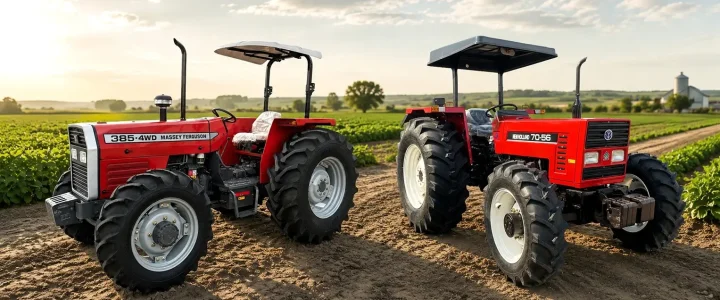
Massey Ferguson MF 385 4WD tractor stands as a reliable workhorse in agricultural settings, earning a solid reputation for its performance and efficiency. With its robust construction and advanced features, this tractor is especially well-suited for the unique agricultural challenges in South Sudan. Farmers and landowners seeking dependable equipment often turn to trusted suppliers such as Tractors PK, recognized for their quality products and reliable service. 

Massey Ferguson MF 385 4WD Tractor in South Sudan

Powerful Performance for South Sudan’s Agriculture 

MF 385 4WD is equipped with a powerful, fuel-efficient 85-horsepower diesel engine, capable of handling a variety of tasks with ease. Its 4×4 capability provides exceptional traction, making it ideal for ploughing, hauling, and other demanding activities across different terrains. South Sudan’s agricultural landscape often includes uneven or muddy fields, and the MF 385 4WD’s four-wheel drive ensures smooth operations even in challenging conditions. 

Additionally, the tractor features a hydro-static power steering system, which reduces operator fatigue and enhances manoeuvrability. This is particularly useful for precision farming tasks, helping farmers maximise productivity with minimal effort. 

Durability and Cost-Effectiveness 

When investing in agricultural equipment, durability is a crucial factor for farmers in South Sudan. The Massey Ferguson MF 385 4WD is built to last, with a heavy-duty chassis and premium materials designed to withstand years of rigorous use. Its low fuel consumption and efficient performance also make it a cost-effective choice. Farmers can minimize operational costs while boosting yields, creating a compelling return on investment. 

For those concerned about long-term upkeep, the MF 385 4WD offers ease of maintenance with readily available spare parts and simple servicing requirements. With its practical design, even rural farmers who have limited access to advanced services can maintain the tractor effectively. 

Versatility for Multiple Farming Needs 

The MF 385 4WD is highly versatile, handling everything from soil preparation to crop transportation with ease. It is compatible with a wide range of implements, including cultivators, ploughs, seeders, trailers, and loaders, making it an invaluable asset for South Sudan’s diverse farming activities. This adaptability ensures that both small-scale farmers and large agricultural operations reap the benefits of increased productivity. 

Tractors PK – A Trusted Supplier for South Sudan 

Farmers looking for tractors for sale in South Sudan often turn to trusted suppliers, and Tractors PK stands out as a leading name in the market. Known for providing high-quality Massey Ferguson tractors, including the 4×4 MF 385 4WD, Tractors PK ensures a seamless purchasing experience. Their range of products, coupled with their efficient delivery system, has made them a preferred choice for farmers seeking tractor dealers in South Sudan. Whether you’re expanding your farming operations or upgrading old equipment, Tractors PK offers reliable options tailored to local agricultural needs. 

Why Choose the MF 385 4WD for South Sudan? 

South Sudan’s agricultural sector is its backbone, and machines like the MF 385 4WD contribute significantly to its success. The tractor’s exceptional combination of power, durability, and versatility addresses the daily challenges faced by farmers. Its ability to consistently perform in demanding conditions helps ensure better harvests and enhances overall farm productivity. For farmers seeking tractors for sale in South Sudan, this model represents a smart investment in long-term agricultural success. 

By partnering with trusted suppliers such as ours, farmers gain access to premium equipment and dependable customer support, ensuring they have the tools needed to succeed.