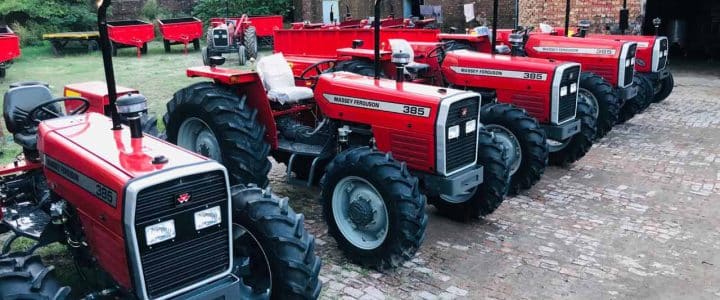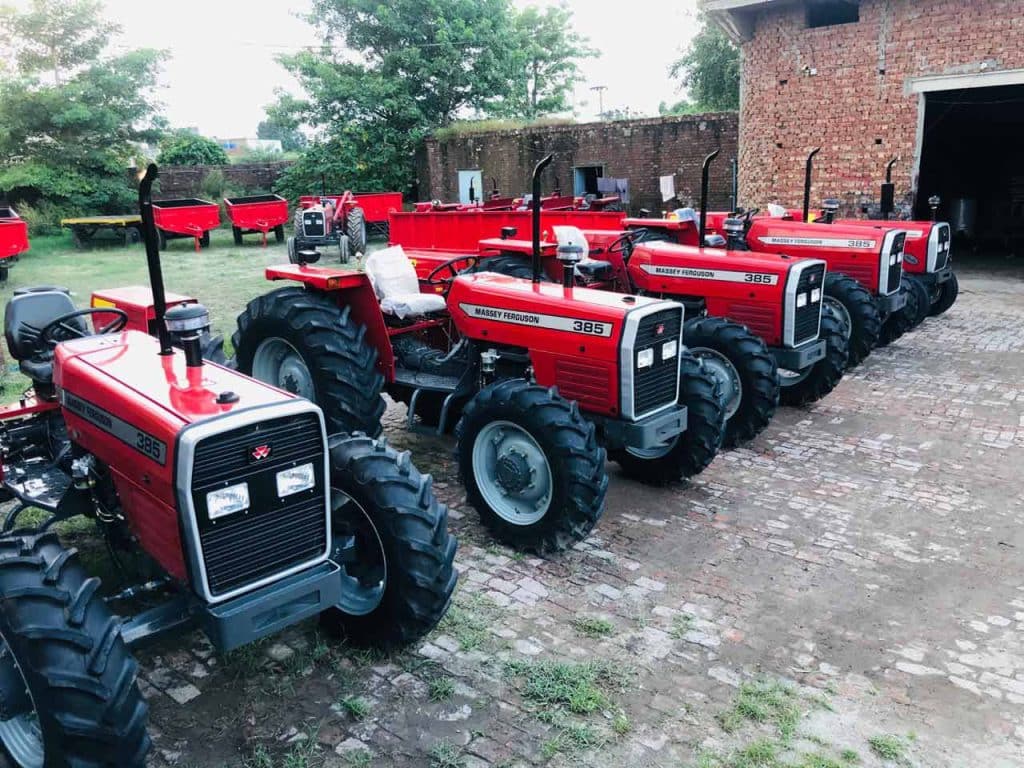
Massey Ferguson MF 385 4WD Tractor in South Sudan 

Massey Ferguson MF 385 4WD Tractor in South Sudan

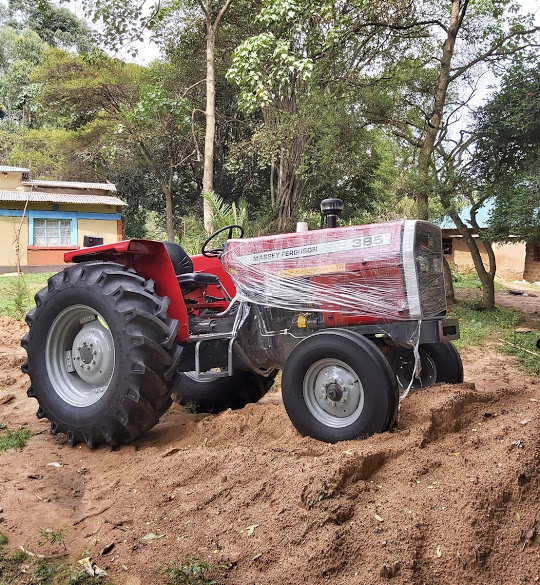
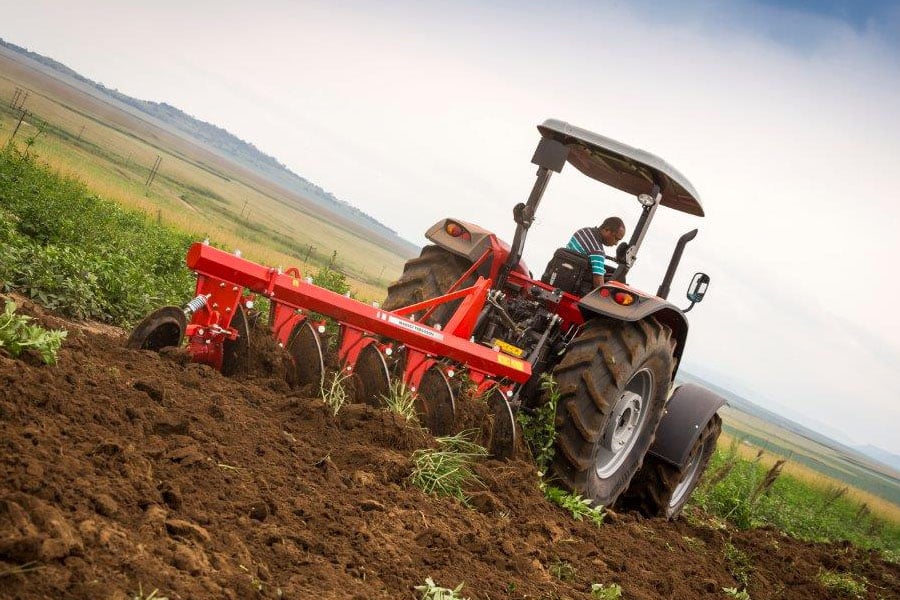
Massey Ferguson MF 385 4WD tractor stands as a reliable workhorse in agricultural settings, earning a solid reputation for its performance and efficiency. With its robust construction and advanced features, this tractor is especially well-suited for the unique agricultural challenges in South Sudan. Farmers and landowners seeking dependable equipment often turn to trusted suppliers such as Tractors PK, recognized for their quality products and reliable service. 

Massey Ferguson MF 385 4WD Tractor in South Sudan

Powerful Performance for South Sudan’s Agriculture 

MF 385 4WD is equipped with a powerful, fuel-efficient 85-horsepower diesel engine, capable of handling a variety of tasks with ease. Its 4×4 capability provides exceptional traction, making it ideal for ploughing, hauling, and other demanding activities across different terrains. South Sudan’s agricultural landscape often includes uneven or muddy fields, and the MF 385 4WD’s four-wheel drive ensures smooth operations even in challenging conditions. 

Additionally, the tractor features a hydro-static power steering system, which reduces operator fatigue and enhances manoeuvrability. This is particularly useful for precision farming tasks, helping farmers maximise productivity with minimal effort. 

Durability and Cost-Effectiveness 

When investing in agricultural equipment, durability is a crucial factor for farmers in South Sudan. The Massey Ferguson MF 385 4WD is built to last, with a heavy-duty chassis and premium materials designed to withstand years of rigorous use. Its low fuel consumption and efficient performance also make it a cost-effective choice. Farmers can minimize operational costs while boosting yields, creating a compelling return on investment. 

For those concerned about long-term upkeep, the MF 385 4WD offers ease of maintenance with readily available spare parts and simple servicing requirements. With its practical design, even rural farmers who have limited access to advanced services can maintain the tractor effectively. 

Versatility for Multiple Farming Needs 

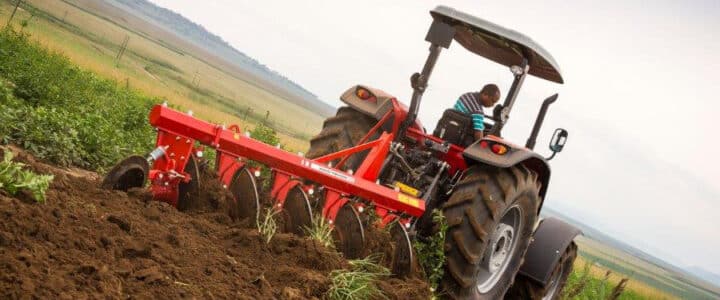
The MF 385 4WD is highly versatile, handling everything from soil preparation to crop transportation with ease. It is compatible with a wide range of implements, including cultivators, ploughs, seeders, trailers, and loaders, making it an invaluable asset for South Sudan’s diverse farming activities. This adaptability ensures that both small-scale farmers and large agricultural operations reap the benefits of increased productivity. 

Tractors PK – A Trusted Supplier for South Sudan 

Farmers looking for tractors for sale in South Sudan often turn to trusted suppliers, and Tractors PK stands out as a leading name in the market. Known for providing high-quality Massey Ferguson tractors, including the 4×4 MF 385 4WD, Tractors PK ensures a seamless purchasing experience. Their range of products, coupled with their efficient delivery system, has made them a preferred choice for farmers seeking tractor dealers in South Sudan. Whether you’re expanding your farming operations or upgrading old equipment, Tractors PK offers reliable options tailored to local agricultural needs. 

Why Choose the MF 385 4WD for South Sudan? 

South Sudan’s agricultural sector is its backbone, and machines like the MF 385 4WD contribute significantly to its success. The tractor’s exceptional combination of power, durability, and versatility addresses the daily challenges faced by farmers. Its ability to consistently perform in demanding conditions helps ensure better harvests and enhances overall farm productivity. For farmers seeking tractors for sale in South Sudan, this model represents a smart investment in long-term agricultural success. 

By partnering with trusted suppliers such as ours, farmers gain access to premium equipment and dependable customer support, ensuring they have the tools needed to succeed.

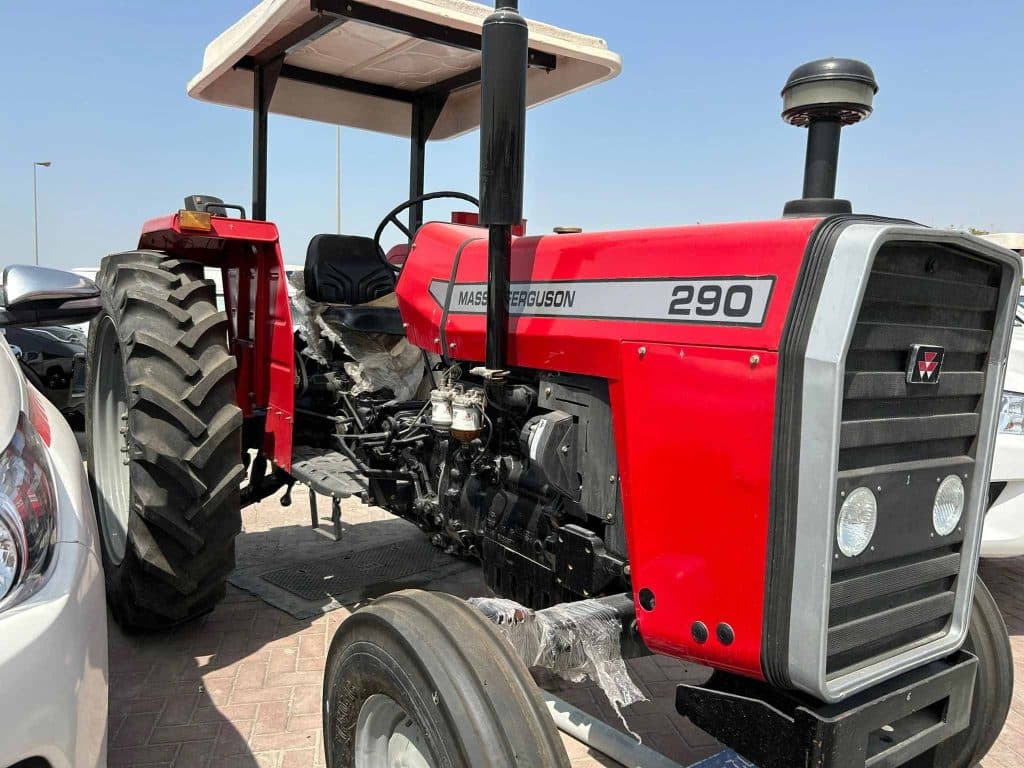
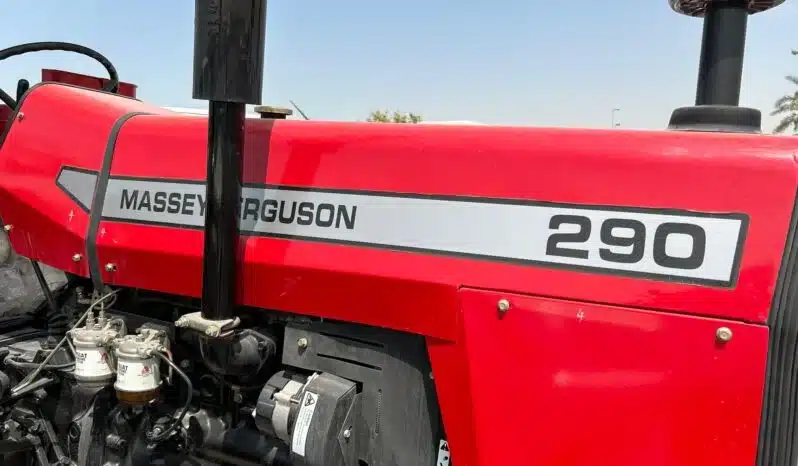
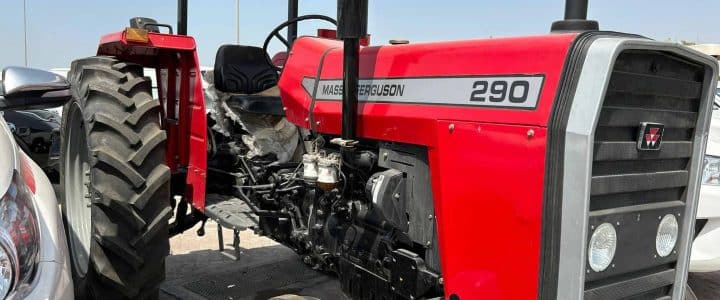
Massey Ferguson 290 Tractors for Sale in South Sudan

Massey Ferguson 290 Tractors for Sale in South Sudan

Massey Ferguson is a trusted name in the world of agricultural machinery. Known for its high-quality engineering and dependable performance, the brand has been empowering farmers around the globe for decades. Tractors PK, a leading supplier of Massey Ferguson tractors, plays a crucial role in making these machines accessible to farmers in South Sudan by offering export-quality tractors tailored to meet local farming conditions.

One of the standout models in their inventory is the Massey Ferguson 290. This model, available in both 2WD and 4WD variants, is built to tackle the challenges of modern farming. Below, we take a closer look at the Massey Ferguson brand, the 290 model, and its two variations.

The Legacy of Massey Ferguson and Tractors PK

Massey Ferguson is synonymous with reliability and innovation in the agricultural sector. The brand has a long-standing reputation for manufacturing versatile and durable tractors designed to boost productivity and reduce operational costs for farmers. With technology that is both robust and user-friendly, Massey Ferguson tractors are a favourite choice for agricultural communities worldwide.

Tractors PK, a trusted distributor of Massey Ferguson tractors, has established itself as a key supplier across Africa, including South Sudan. Their commitment to offering cost-effective, high-quality machinery has earned them a strong reputation. By addressing the unique farming needs of the region, Tractors PK supports farmers in achieving higher crop yields and operational efficiency.

Overview of the Massey Ferguson 290

The Massey Ferguson 290 is a powerful and versatile tractor, equipped with an 82 HP engine. This robust machine is designed to handle a variety of agricultural tasks, making it equally valuable for small-scale farmers and large commercial farms. Whether it’s ploughing fields, hauling heavy loads, or operating implements like seeders and sprayers, the Massey Ferguson 290 is up to the task.

Available in two drivetrain options—2WD and 4WD—the Massey Ferguson 290 caters to different terrains and farming requirements, giving farmers the flexibility to choose the model that aligns best with their operational needs.

Massey Ferguson 290 2WD Variant

Massey Ferguson 290 2WD (two-wheel drive) model offers exceptional value for money and excels in regions with flat or moderately uneven terrains. Here’s an in-depth look at its features and benefits:

Features of the 2WD Model

  • 82 HP Engine: The powerful engine ensures efficient performance across a range of tasks.
  • Fuel Efficiency: Designed to consume less fuel, this model provides cost savings for farmers over extended use.
  • Simplified Design: The 2WD configuration is easier to maintain and repair, making it ideal for farmers seeking low-cost upkeep.
  • Versatility: Best suited for ploughing, hauling, and light to medium-duty tasks.

Benefits for South Sudanese Farmers

South Sudan’s expansive farmlands are often flat and ideal for the 2WD variant. Farmers can benefit from its fuel-saving design, making it a cost-efficient choice for those focused on maximising early returns on investment.

Massey Ferguson 290 4WD Variant

For farmers operating in more challenging conditions or requiring extra traction, the 4WD (four-wheel drive) version of the Massey Ferguson 290 is the perfect solution. Built to excel in varied and rugged terrains, this model offers superior performance in demanding environments.

Features of the 4WD Model

  • Enhanced Traction: The 4WD system provides excellent grip and stability, making it effective on slopes and muddy fields.
  • Robust Durability: Designed for heavy-duty applications, it can withstand the wear and tear of strenuous daily work.
  • Engine Performance: Like the 2WD model, it is powered by an 82 HP engine, ensuring consistent output.
  • Greater Versatility: Suited for use in rice paddies, hilly areas, and rough or uneven terrains.

Benefits for South Sudanese Farmers

Regions in South Sudan prone to heavy rains or featuring hilly landscapes greatly benefit from the 4WD’s superior traction and durability. Farmers tackling intensive tasks like large-scale ploughing or operating heavier implements will find this model invaluable.

Comparing the 2WD and 4WD Models

Choosing between the Massey Ferguson 290 2WD and 4WD depends largely on the farming environment and the specific requirements of the farmer. Here’s a quick comparison to help:

Feature2WD Model4WD Model
TerrainBest for flat or slightly uneven farmlandIdeal for rugged, uneven, or marshy terrain
TractionLimited to rear-wheel driveAll-wheel drive for superior grip and stability
Fuel EfficiencyHigher fuel efficiency due to a lightweight drivetrainSlightly lower fuel efficiency but better performance
ApplicationLight to moderate farming tasksHandles heavy-duty tasks with ease
CostMore affordable upfront and easier to maintainHigher initial investment but excellent for intricate farming

Why Choose Massey Ferguson 290 Tractors in South Sudan?

Agriculture is the backbone of South Sudan’s economy, and reliable machinery like the Massey Ferguson 290 aids in unlocking the full potential of the sector. The broad range of features, coupled with the durability and fuel economy of these tractors, make them an ideal investment for farmers intending to increase their crop yield. Whether it’s the affordable 2WD for straightforward operations or the rugged 4WD for challenging tasks, farmers in South Sudan can depend on Massey Ferguson 290 tractors to get the job done.

By partnering with Tractors PK, South Sudanese farmers gain access to export-quality tractors at competitive prices, backed by excellent customer support. Tractors PK ensures that farmers have access to the right tools for success, enhancing agricultural productivity across the nation.

Mini Tractors for Sale – The Perfect Solution for Small-Scale Farming

mini tractors

Agriculture has always been the backbone of economies worldwide, and the right machinery is key to making farming operations more efficient and productive. One essential piece of equipment for small-scale farmers is the mini tractor. Designed for versatility, affordability, and ease of use, mini tractors are an excellent choice for those looking to maximize output on smaller farms. At Tractors PK, we offer a wide range of mini tractors and related equipment to meet the diverse needs of farmers, ensuring both affordability and reliability.

mini tractors

Mini Tractors for Every Farming Need

Mini tractors are revolutionizing farming practices, especially for small-scale operations. Compact and lightweight, these tractors excel in performing a variety of tasks, including plowing, planting, hauling, and spraying. Unlike larger tractors, small farm tractors are maneuverable, making them ideal for farms with limited space or uneven terrain.

For those seeking more power and efficiency, our collection of compact 4WD tractors provides exceptional traction and stability, even on challenging surfaces. Whether you’re managing vineyards, orchards, or vegetable plots, these tractors are designed for versatility. A compact tractor doesn’t just save space—it also saves time and labor, giving farmers the tools they need to streamline every aspect of their work.

Check out some of our mini tractor models tailored to meet specific farming needs:

  • Massive MT24 – A compact yet powerful mini tractor ideal for small farms, orchards, and gardens.
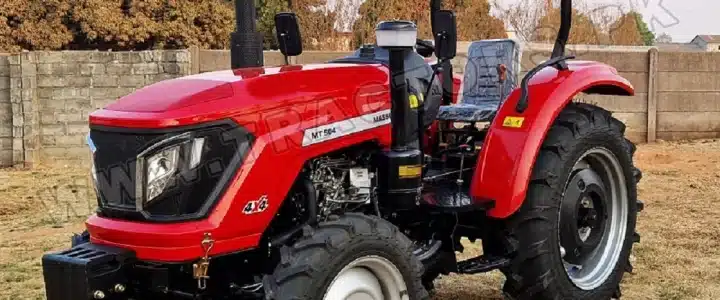
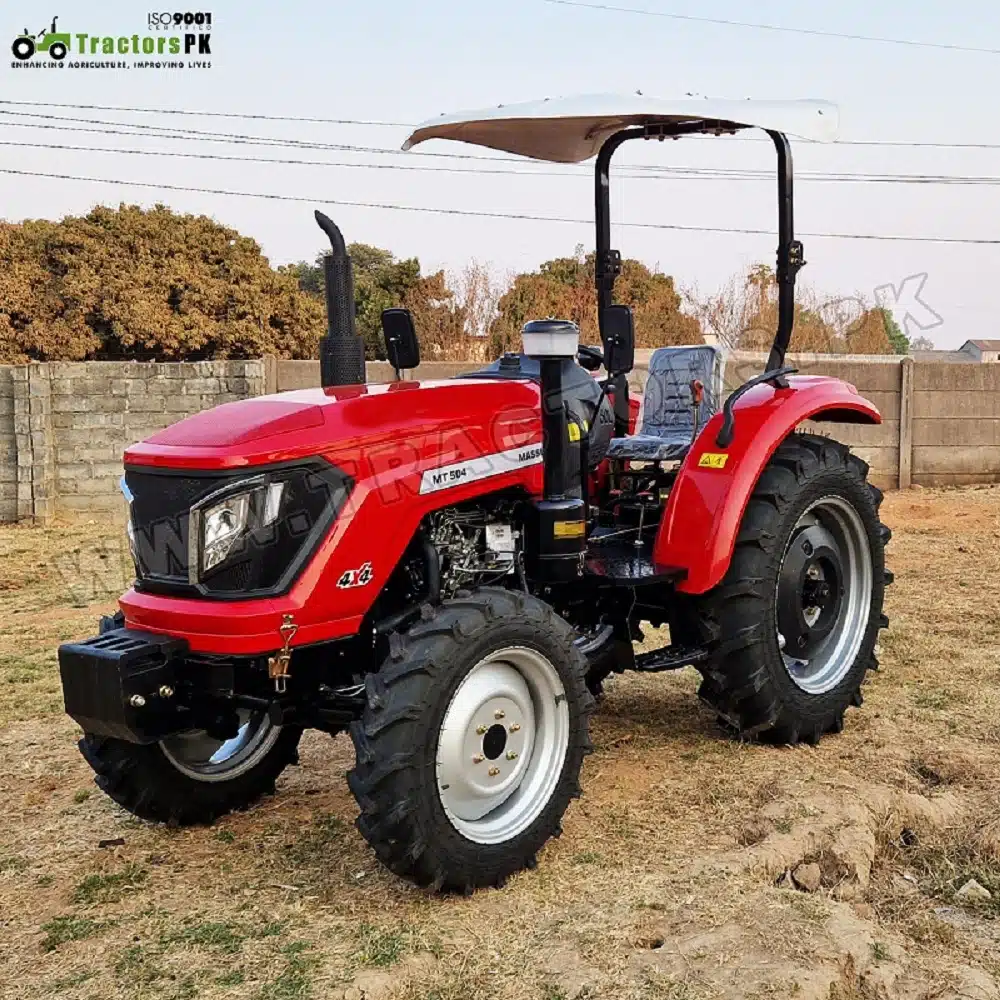
  • Massive MT504 – A robust mid-range model perfect for handling a variety of agricultural tasks.
  • Massive MT604 – An efficient and durable compact tractor built for heavier workloads and larger farm areas.

These compact tractor models are just a glimpse of the variety we offer to suit different farming requirements.

Mini Tractor Prices

Investing in agriculture doesn’t have to break the bank. At Tractors PK, we believe farming equipment should be accessible for all farmers. That’s why we offer competitive mini tractor prices, ensuring high-quality machinery is affordable for everyone. If you’re operating on a tight budget, our selection includes used mini tractors that are thoroughly inspected and maintained to deliver reliable performance. Purchasing a pre-owned tractor is a cost-effective way to meet your needs without compromising on functionality or durability.

Compact and Efficient Design

Modern compact tractors combine power and practicality. Their smaller size doesn’t limit their capabilities; instead, it enhances them. With a focus on efficient operation, mini tractors reduce fuel consumption and lower maintenance costs. Our mini 4WD tractors provide added power and precision, making them perfect for hilly terrains or farms with soft soil. These features make mini tractors one of the best options for those looking to invest in mini agricultural machinery that meets today’s farming demands.

Benefits for Small-Scale Farmers

Tractors PK is proud to support small-scale farmers by offering farming machinery that aligns with their unique requirements. A mini tractor is perfect for farms focused on niche crops or mixed agriculture. Its size enables it to perform tasks in confined areas, while its multi-functionality gives farmers the flexibility to adapt to various agricultural needs.

Additionally, the versatility of small farm tractors extends to their compatibility with multiple implements. From plows for soil preparation to seeders and trailers for efficient planting and transportation, mini tractors play a central role in holistic farm management. Our lineup ensures you can customize your equipment for maximum productivity all year round.

Why Choose Tractors PK?

When it comes to investing in durable and reliable mini agricultural machinery, experience and expertise matter. At Tractors PK, we are dedicated to providing farmers with industry-leading solutions that combine quality with affordability. Our team works closely with clients to understand their farms’ specific requirements, recommending the best equipment to meet their goals.

Choosing the right tractor is about more than just price—it’s about value. Every mini tractor we sell is designed to deliver the highest level of performance, backed by excellent customer support long after your purchase. Our comprehensive range of both new and used mini tractors ensures every farmer can find the ideal machine, no matter the size of their operation or budget constraints.

Enhance Your Farm Operations Today

Investing in a mini tractor is a bold step toward boosting productivity and simplifying farming tasks. Whether you’re looking for compact power, affordability, or specialized functionality, Tractors PK has the perfect solution for you. With a range of options, including mini 4WD tractors, compact tractors, and a diverse selection of tractor implements, we are your trusted partner in agricultural success.

Start your farming transformation today by exploring our mini tractors for sale at Tractors PK. Combining affordability, efficiency, and reliability, we provide small-scale farmers with the tools they need to thrive. Reach out to us now and discover how we can help you take your farm operations to the next level!

Massey Ferguson Tractors – New Price Updated from Millat Tractors

Millat Tractors manufacturer of Massey Ferguson Tractors in Pakistan increased prices of all tractor models in the mid of January, 2021. They have more than 60% market share in in tractor industry of Pakistan. There is no significant changes in specs for the new 2021 tractor models however the reason of increased tractor prices due to the depreciation of Pakistani Rupee against US Dollar.

Massey Ferguson Tractors

5% GST is the inclusive of the total price imposed by the Government of Pakistan. New price list applicable on all new booking either on cash or loan. Massey Ferguson tractor is famous in all agricultural areas to make the irrigation process fast and cost effective. Since few years Massey Ferguson 385 model is very much demanded because of its rough and tough usage.

People are also getting rumors in the market that AGTL (Al Ghazi Tractors Ltd) manufacturer of New Holland tractors are also going to increase prices for all models too. AGTL is 2nd largest number of market leader after Millat tractors in Pakistan with market share of around 33%.

Tractors PK is the best tractor dealer/company in Africa & the Caribbean.

Tractors PK is one of the top suppliers and exporters of Massey Ferguson Tractors and their compatible farm implements from Pakistan to across the globe including tractor models like MF-240 (50hp), MF-260 (60hp), MF-360 Turbo (60hp), MF-375 (75hp), MF-385 2WD and 4WD (85hp) at the lowest price. Usually, farming tractors used to pull a variety of farm implements to increase the farming process as well as the agriculture business.

Booking and Shipment of Massy Ferguson Tractors in Regions:

We serve customers in Africa & the Caribbean region especially in Botswana, Ghana, Kenya, Nigeria, Uganda, Zambia, Zimbabwe, Tanzania, DR Congo, South Africa, Algeria, Sudan, Morocco, Angola, Ethiopia, Egypt,, Mozambique, Madagascar, Cameroon, Côte d’Ivoire, Niger, Burkina Faso, Mali, Malawi, Senegal, Chad, Somalia, Guinea, Rwanda, Benin, Burundi, Tunisia, South Sudan, Togo, Sierra Leone, Libya, Congo, Liberia, Central African Republic, Mauritania, Eritrea, Namibia, Gambia, Gabon, Lesotho, Guinea-Bissau, Equatorial Guinea, Mauritius, Eswatini, Djibouti, Comoros, Cabo Verde, Sao Tome & Principe, Seychelles, Barbados, Belize, Iraq, Saudi Arabia, Lebanon, Oman, Kuwait, Qatar, Cayman Islands, Dominican Republic, Guyana, Haiti, Jamaica, Antigua and Barbuda, Dominica, Grenada, Saint Kitts and Nevis, Saint Lucia, Saint Vincent and the Grenadines, Sint Maarten, Suriname, Trinidad and Tobago, Turks, and Caicos, etc.

Contact Tractors PK

7A Queen’s Road, Lahore, Pakistan.

Phone: +92-320-2390-002 / +92-321-2390-002

Email: [email protected]

Website: https://www.tractorspakistan.com

Social Links:
https://www.facebook.com/TractorsPakistan
https://www.instagram.com/tractors.pk/
https://www.linkedin.com/company/tractorspk/
https://twitter.com/Tractorspk
https://www.youtube.com/user/Tractorspk
https://www.pinterest.com/Tractorsfrompakistan/

A Review of Agricultural Mechanization Status in Botswana

Agricultural Mechanization Status in Botswana

Because of the high expense of hired labor, tractors and other agricultural machinery may be especially important for big farms in communities with both large and small farmers. Because of the economies of scale that come with purchasing agricultural machinery and tractors, mechanization is becoming more popular on farms of this size. As a consequence, bigger farmers in Botswana are more likely to be the first tractor owners, and they often rent their tractors out to smaller farmers who don’t have their own.

Labor Saving Effects of the Mechanization

In most cases, the amount of time spent weeding and harvesting may be reduced by a small percentage due to the use of mechanized plowing. When the cost of hired labor rises to a point where it constitutes a significant portion of overall production expenses, even the smallest farmers begin to seek mechanization technology in order to cut their labor and total production costs. Despite the fact that mechanized land preparation decreases work for this process, it does not necessarily lessen the need for labor as a whole. When comparing fields plowed by farm implements and tractors to those plowed by draught animals, we find that although tractor plowing reduces the work input for plowing, it increases the labor input for weeding, harvesting, and threshing. Since weeds tend to recover more slowly in fields plowed by tractors, farmers may often save labor for weeding and land preparation by using tractor-based mechanization. As a result, it is probable that farmers’ bottom lines will improve as a result of mechanization. In part because of this labor-saving feature, mechanization has lately gained popularity among Botswana’s smallholders.

Demand for tractors

Power tillers, which typically have 20 horsepower or less, are in demand because they are more maneuverable and can be used to their full potential in systems with small landholdings, they are less expensive than 4-wheel tractors, they have the potential for off-farm use, and they are suitable for wet paddy. Many mechanization advocates have pushed for the promotion of 2-wheel tractors in Botswana, mostly for the first three of these reasons, even though they are seldom used unless when governments actively support them. 2-wheel tractors, on the other hand, are often thought to be difficult to apply across much of Botswana and are not ideal for traditional tillage of dry, heavy soils. These elements aid in explaining why they have rapidly increased in irrigation projects in Botswana. Contrarily, 4-wheel tractors are more often used than 2-wheel tractors, generally for crop rotations including both rice and crops other than rice.

Demand for mechanized harvesting

Mechanized harvesting is possible with the use of combine harvesters of varying sizes, which harvest and thresh the grain. Despite its relative rarity, mechanical harvesting seems to be on the rise in several areas, particularly wheat and rice irrigation systems. When the smallholder’s opportunity cost of labor during threshing is factored in, as well as the potential crop loss associated with hand harvesting and threshing, the combined harvester service becomes more appealing and, in some cases, less expensive than a traditional labor.

Import of agricultural machinery

Agricultural Mechanization Status in Botswana

Botswana relies nearly entirely on imported tractors, farm tools, and combine harvesters since the continent lacks the ability to produce them. This means that brands like Massey Ferguson tractors in Botswana and New Holland tractors in Botswana dominate the market. Botswana’s mechanization patterns mirror those of the rest of the world’s industrial sector. Historically, Europe and Japan have been the main suppliers of agricultural machinery for export. However, in recent years, there has been a rise in the amount of agricultural machinery imported from other nations. Substantial state R&D or consumer subsidies are typically provided for agricultural machinery production in countries like Pakistan. One of the most trusted tractor dealers in Botswana, for new and secondhand tractors and other agricultural machinery, is Tractors PK, a private importer. Private importers like Tractors PK supply spare parts for the brands they sell and offer repair services after the sale. Private dealers rely heavily on government institutions and government/donor-funded initiatives; however large-scale commercial farms and plantations also make up a significant portion of their clientele. Due to the high price and unfavorable financing options, new imported agricultural machinery is typically out of reach for small-scale farmers.

Governance Challenge of Agriculture in Ghana

Governance Challenge of Agriculture in Ghana

Ghana’s government has placed agricultural mechanization back on the development agenda in the last decade. Governance issues, including rent-seeking, lack of access to spare parts, experienced operators, and technicians, contributed to the failure of previous attempts to import agricultural machinery, employ services, and establish state farms. Instead of concentrating on “Asian-style green revolution technology,” Ghana is likely to go in the direction of mechanization. Urbanization and changes in agricultural systems have produced key labor bottlenecks, especially in land preparation, prompting a need for mechanization from both big and smallholder farmers. However, there is also the influence of social and cultural elements. Mechanization services are in high demand among young farmers because of the negative connotations that young people connect with manual labor in agriculture.

Lack of Training and Education

Although “upstream” stakeholders like government actors are aware of these concerns and the government has lately begun to re-activate some ancient agricultural schools, the Ghanaian government still confronts significant challenges in delivering training and education to farmers. Because of the priority put on agricultural machinery imports, there is little money left over to spend on employee education and development. Since this is the case, attempts to educate tractor drivers are spotty at best. Unfortunately, many tractor drivers lack even the most basic qualification—a valid driver’s license. There is no government-run school for technicians. Technicians often work as “roadside technicians,” which is a broad but accurate term.

Marginalization of small-scale and female farmers

The public-private AMSECs and private service providers are both hesitant to work with smallholders. In addition, small farmer fields are more likely to include obstacles like stumps and stones. Servicing farmers with greater landholdings is more cost-effective because of the high unmet demand from such farmers. If small farmers have their fields tilled too late, they will not be able to plant their seeds in time, leading to a precipitous decline in production. Because of their limited resources and negotiating strength, small farmers have little choice but to accept subpar ploughing. Since they are in a position of authority, operators often abandon their work before the whole plot of land has been plowed. Because of the tiny size and poor quality of their land holdings, women farmers are particularly at a disadvantage. Because of the preponderance of male agricultural machinery and tractor owners and drivers, women farmers face extra barriers to entry. When smallholder farmers band together and negotiate with service providers as a bloc, they are able to save money and strengthen their negotiating position, getting more access to credit and crop rental markets as a result.

Poor Access to finance

Investments in agricultural machinery, such as tractors, and farm implements and the financing of tractor services are both hampered by market failure in agricultural finance. The private banking sector is notoriously strict when it comes to loaning money. Farmers and tractor and farm implements owners have complained that applying for a loan from a private bank is arduous and that the repayment plan is strict and not tailored to the realities of farming. Although agricultural machinery and tractors need longer durations of use before the initial investment is returned, loans must be repaid regularly and within a period of 12 months. Due to high transaction costs, high inflation, and high default rates, banks charge interest rates of up to 35% per year (plus fees).

Government imports and AMSECs provide difficulties

Several causes of probable state collapse were discovered. To be sure, these difficulties have an impact on the public-private partnership mechanization model being followed in Ghana, whereby the government and AMSECs buy agricultural machinery and tractors. This gap between supply and demand is the root cause of many of the problems in governance. The importation of farm implements and tractors is funded by concessional loan arrangements and subsidies from industrialized nations like Japan. The Government of Ghana was restricted to importing tractors from a small group of approved manufacturers, most often those located in the nation that provided the loan. This setup might make it difficult to choose the best manufacturers and discourages individual investment in replacement components. Farmers and business owners who choose their own agricultural machinery nearly always choose Massey Ferguson tractors for sale because of the reliability of the brand and the low cost of replacement components.

Role of Tractors PK

Due to a lack of technical knowledge, many Ghanaian farmers have a hard time deciding which tractor is ideal for their needs. If you have any questions or concerns about farming in Ghana, do not hesitate to contact Tractors PK. Whether you are a big or small farmer, you can find the right agricultural machinery for your operation. We have agricultural machinery from a wide variety of brands, including Massey Ferguson, New Holland, Kubota, and many more. If you are looking for a dependable supplier of Massey Ferguson tractors in Ghana, go no further than Tractors PK. For many years, we have provided our clients with the finest new tractors, and their satisfaction has never wavered.

Exploring Irrigation Challenges and Opportunities in Ghana

Irrigation Challenges in Ghana

Despite Ghana’s wealth of water for irrigation farming, the results of the country’s mismanaged and unchecked irrigated agricultural techniques, along with its lack of agricultural machinery, leave much to be desired. The government of Ghana has implemented development plans and strategies to boost irrigated agriculture as a result of the growing recognition of irrigation issues and their impact on the economy and environment. To encourage cooperation and partnership among irrigation industry members for the sake of advancing environmentally responsible irrigated agriculture, a formal institutional structure was designed. But even with irrigation, conventional farming is more productive. For instance, low crop performance may be traced back to a lack of foresight, and inter-organizational coordination has proven challenging. In this piece, we will look at some of the ways in which Ghana’s irrigated agriculture may benefit from some new approaches.

Major irrigation challenges

Despite widespread use, northern parts of Ghana have more difficulties in the area of irrigated farming. Tono and Vea irrigation systems, the two biggest in Ghana, are situated in the north, giving access to water for agricultural growth and boosting the socio-economic life activities of many farmers. Financial insufficiencies, institutional challenges, limited access to inputs and services, difficulties in marketing and post-harvest handling, lack of cooperation, and disagreements between the government and landowners over compensation have emerged as the most pressing issues affecting irrigation in Ghana. Poor maintenance of canals, weeds, and sludge around canal networks are only a few of the issues plaguing Ghana’s irrigation system. Given the current difficulties farmers face, such as low farm income and production, it would be difficult for maintenance to be left solely in the hands of farmers if the government did not provide the primary headwork, conveyance, and distribution infrastructure for irrigation development in the country. As a result, several of the plans have been completely abandoned and have since collapsed.

Inadequate and antiquated irrigation equipment and mechanization are major obstacles to the development of sustainable irrigated agriculture in Ghana. The land and water are not safeguarded by the conventional form of irrigation used in farming. Irrigation water for crops comes from rivers and wells drilled into river beds. These methods lower water tables during dry periods and severely pollute groundwater with fertilizers and pesticides that seep deep into the soil. Meanwhile, Ghana’s Environmental Protection Agency (EPA), water and sanitation agencies, and municipal governments all have roles in keeping the environment safe.

Relevant Policies and Irrigation Schemes in Ghana

In response to the shortcomings of the first Food and Agriculture Sector Development Policy (FASDEP I), which prioritized the private sector at the cost of low-income farmers, FASDEP II was enacted. To better manage land and environment sustainably, employ science and technology in food and agriculture development, and promote competitiveness and integration into local and worldwide markets are all goals of agricultural policy for the food and agriculture industry.

What this means for the future of irrigation depends on the nation’s water policies. As part of its new strategy, the government of Ghana will make sure that farmers have access to high-quality water in appropriate quantities. In addition, the government of Ghana formulated the national land policy in 1999 to ensure the country’s continued responsible management of its land and its inherent resources. The policy backs economic and social initiatives that are eco-friendly and adhere to the principles of sustainable resource management. The State Lands Act is a legal requirement for all irrigation projects, no matter how big or little.

Alternative Practices

Due to the high cost of operating, solar irrigation has not garnered much interest from Ghanaian governments or farmers. To help make renewable energy more accessible to farmers, solar-powered irrigation pumps are being built in Tamalgu in the Karaga District. However, this program is not prevalent across the nation. Most public irrigation projects that rely on a pressurized system are experiencing dry spells owing to a lack of energy. This means that non-resistant crops will be wiped out during the dry season, while resistant crops will begin to wilt and die off.

It will be preferable if irrigation water management is approached with an active role for extension agents and the implementation of appropriate technologies. In the past, on-farm water management programs had failed because of a lack of support service to farmers, but now, due to improvements in extension agents’ abilities, they are able to effectively aid farmers in the areas of irrigation development and management. Effective irrigation management relies heavily on high-quality extension and consulting services supplied by the government, commercial businesses or consultants, non-governmental organizations (NGOs), or farmer organizations. There is evidence that when incentives, technical knowledge, and water information are provided as part of regular capacity development initiatives for irrigation stakeholders, they perform well. It is difficult to assess the development of irrigation projects due to the office’s inability to keep track of vital information.

Role of Tractors PK

Agricultural machinery, in addition to the good irrigation system, also plays an important role in enhancing the agricultural yield of Ghana. Tractors PK was established to help Ghanaian farmers get their hands on affordable, high-quality agricultural machinery. With the introduction of Tractors PK, the country’s poor farmers may rest a little easier. Farmers are optimistic about the project’s future prospects since they have access to several types of agricultural machinery, such as Massey Ferguson tractors for sale, New Holland tractors for sale, farm implements, combine harvesters, and many more.

Effects of Climate Change on Agricultural Yields of Ghana

Effect of Climate Change in Ghana

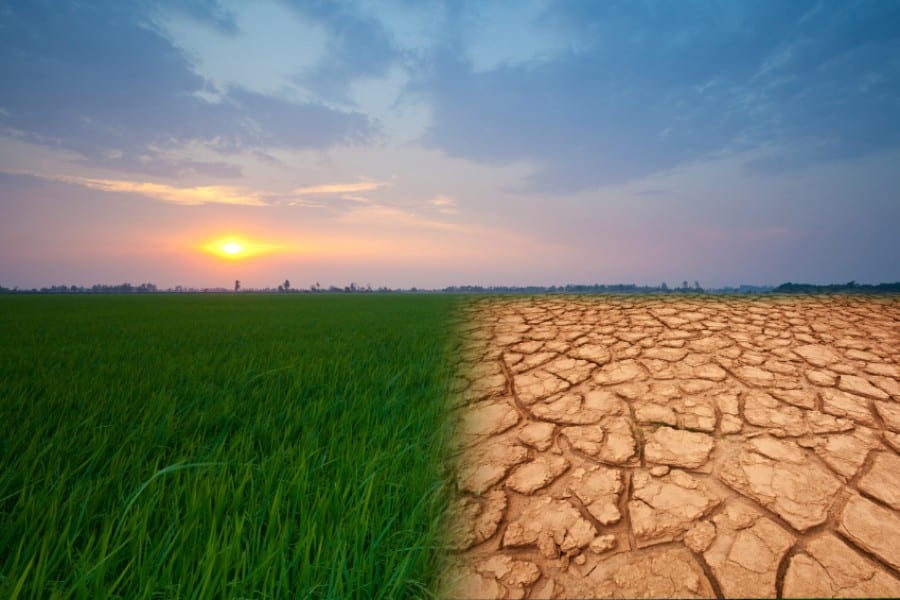
More than half of Ghanaians are directly or indirectly employed in the agricultural sector, which plays a significant role in the country’s economy by ensuring its people have access to nutritious food and generating revenue. With its dependence on rain-fed agriculture and susceptibility to drought, Ghana’s agricultural industry is particularly vulnerable to the effects of a changing climate. The majority of farms in Ghana are owned by small families and rely on rain-fed agriculture, making the country vulnerable to climate change. Understanding the potential impact of climate change on Ghana’s agricultural industry is essential for making preparations to deal with it. Unpredictable and varied rainfall, higher temperatures, and longer dry seasons are only some of the ways in which climate change is affecting Ghana’s agricultural sector.

Changes in the yields of the most important food sources

This strong and non-stationary variability among chosen food crops was seen in northern Ghana, where production trends differed greatly across different types of these crops. That means yearly rain-fed crop yields followed the same pattern as precipitation fluctuations. As opposed to other crops, rice is grown using a combination of rain and irrigation. Thus, it is anticipated that the district with the most readily available irrigation for rice farmers would have the best output overall. For instance, farmers may need to use adaptation methods like irrigation more quickly if the advent of rainfall is delayed and the number of dry days increases. However, only a tiny fraction of farmers in Ghana actually use irrigation, despite the fact that it is the single most effective adaptation method for mitigating the effects of climate change and variability.

The development of high-yielding and weather-resistant crop types may account for the recent increases in millet and maize production. Increased agricultural variety is critical for sustainable food production in Ghana, as seen by the country’s widespread use of many maize and millet cultivars. Because of their genetic variety, crop types may respond to and even benefit from shifting climates and other environmental factors by becoming more hardy and resistant to things like heat, drought, pests, and parasites.

Interventions to cope with climate change’s effects

Over the course of many decades, farmers have been adjusting to the inevitable changes in precipitation and average temperature. Farmers in northeastern Ghana have diversified their crop and animal holdings, increased their use of irrigation, and expanded into nonagricultural revenue sources in order to better their economic situations. Institutional support for adaptation is a key factor in farmers’ capacity to deal with predicted changes in rainfall and temperature. Institutional aid must take into account the needs of both men and women farmers. Because the negative effects of climate change on agriculture will be perceived unequally throughout the nation, it is crucial to include farmers’ perspectives in adaptation planning. Adaptive capability is predicted to vary between agroecological zones and within families due to resource disparities such as lack of proper agricultural machinery, tractors and farm implements. Females, like males, have agency and valuable information that may be used to design and implement climate adaptation interventions and to address the negative effects of climate change on food security and family well-being.

Farmers’ capacity to adjust to climate change effects and dangers is crucial to adaptation. Their socioeconomic status affects their adaptability. Assistance might come from the government, NGOs, and other agricultural players such as Tractors PK as it is one of the top tractor dealers in Ghana. The provision of community irrigation systems, funding for research institutes to produce climate-tolerant crop varieties, providing proper agricultural machinery, agricultural insurance, capacity-building for farmers, chances for secure income, and credit and extension service are all examples of this kind of assistance.

How Tractors PK could help?

Tractors PK is a supplier of farm implements and other agriculture machinery such as Massey Ferguson tractors for sale, New Holland tractors for sale, combine harvesters, etc. to farmers in Ghana. Tractors PK could be able to help the smaller farms in Ghana to get their hands on tractors at costs that are more affordable to them. Tractors PK offers reasonably priced agricultural machinery and other farm implements in Ghana, which may be useful for small-scale Ghanaian farmers. These farmers in Ghana can now kick back and take pleasure in their jobs thanks to Tractors PK.

Climate Change Knowledge and Coping Strategies of Smallholder Farmers of Botswana

Strategies of Smallholder Farmers of Botswana

Local farmers in Botswana still rely on an agrarian economy, making them especially susceptible to the effects of fluctuating weather. They do small-scale farming, without proper agricultural machinery, and raise animals for survival. A large portion of rural residents relies on subsistence farming for their income and survival. Both the Okavango Delta and the Chobe River in Botswana are permanent river systems, yet the local people are nevertheless affected by weather changes. This is quite worrying. Some farmers in the area are trying to weather the effects of climate change by using new, more resilient practices. Local farmers’ coping mechanisms are often informed by the context of their everyday social interactions. They draw on their past experiences to persevere in subsistence farming despite unpredictable precipitation and periodic flooding. This is augmented by gathering veld products and fishing. In most cases, they cannot market farming without constant aid in growing capacity.

The level of climate change literacy among farmers

Botswana’s small-scale farmers learned what they knew via a combination of sources, on-the-job training, personal experience, personal observation and experimentation, and indigenous knowledge. They also discussed the difficulties associated with planting seeds deep below, the damage to crops caused by unpredictable rainfall, the lack of agricultural machinery and the overall poor yields. However, government authorities often fail to notify small-scale farmers about impending droughts or floods. Contacts with higher levels of the organization, such as government organizations, provide access to new information and technology, such as that shown by small-scale farmers. The weather service has not been communicating with farmers about impending rain in a timely manner. It turned out that some farmers were able to rely on their cultural or indigenous expertise. This was shown in the example where farmers blamed deforestation, a major contributor to climate change, on practices that no longer considered traditional knowledge pertaining to taboos.

Different small-scale farmers in the Okavango Delta and along the Chobe River know the ecological, historical, and social elements of their communities in relation to rainfall and farming. Using the community as an integrative environment for learning at all levels, place-based education is founded on the resources, concerns, and values of the local community. Taking this approach helps locals better understand and value their unique cultural and ecological settings.

Farmers’ Coping Strategies

It was clear that small-scale farmers in the Okavango and Chobe regions were vulnerable to climate-related shocks and hazards such as droughts, floods, livestock diseases, and declining crop yields. Farmers, whose livelihoods depend entirely on farming, face grave dangers from all of these. There is significant evidence that some of them have developed coping methods in response to these hazards.

Some farmers, drawing on their intimate familiarity with the climate, decided to plant drought-resistant watermelons and millet instead of the more conventionally successful crops. Some farmers, like those in Parakarungu, relied on local traditional knowledge; for example, one farmer learned fishing and blacksmithing from his father via decades of passed-down stories. The other farmer on a lesser scale is likewise making baskets. In most Botswanan villages, this is a passed-down art form. The fundamental concepts of knowledge, competencies, and agency grow and give actual chances for learning within the context of the lived experiences of these small-scale farmers within the framework of place-based education.

Adaptation relies heavily on farmers’ flexibility in the face of climate change challenges. The degree to which they are able to adjust is influenced by their socioeconomic level. The government, NGOs, and agricultural companies, like Tractors PK one of the leading tractor dealers in Botswana, all pitch in to help. Examples of this kind of aid include the distribution of coping strategies for communities, the provision of funding for research institutes to produce climate-tolerant crop varieties, the distribution of appropriate agricultural machinery, agricultural insurance, capacity-building for farmers, the provision of chances for a secure income, and the distribution of credit and extension service.

What could Tractors Botswana do?

Farmers in Botswana may purchase tractors from Tractors PK, as well as other farm implements and agricultural machinery including Massey Ferguson tractors for sale, New Holland tractors for sale, combine harvesters, and more. Smaller farms in Botswana may be able to benefit from Tractors PK’s ability to provide tractors at reduced prices. Tractors PK is a company based in Botswana that sells tractors and other farm implements at prices that are affordable for small-scale farmers. Thanks to Tractors PK, these farmers in Botswana can relax and take pride in what they do.

Impact of Mechanization on Smallholder Farmers of Botswana

Mechanization Farmers in Botswana

Botswana’s small farmers are notoriously resource-poor and payload-challenged. This implies they are not very good at saving money and that they put a lot of strain on the planet’s natural resources. Reduced purchasing power means less money spent on agricultural power and mechanization inputs, which in turn means lower land and labor productivity. Consequently, poverty is a vicious circle from which few people ever escape. A more virtuous cycle will emerge if the demand for mechanization inputs can be raised. The resultant boost in productivity will increase savings, which will fuel a rise in demand for productivity-boosting inputs like agricultural machinery. This is a self-perpetuating loop since these measures will ultimately result in higher output.

The mechanization options

There should not be any centralized authority over the mechanization choices open to smallholder farmers. Instead, it is important to listen to the concerns and suggestions of everyone who has a stake in the matter. Farmers, factories, merchants, universities, NGOs, and government agencies will all play a part. It is imperative that the private sector, such as Tractors PK, should be engaged in the provision of suitable mechanization choices, and that those participating in the supply and maintenance chains for mechanization inputs, such as tractors, farm implements, combine harvesters, etc., be able to earn a livelihood from doing so. In most cases, it is preferable to provide farmers a range of alternatives from which to choose and to provide guidance, if needed, while they make their final decision. Their goal is to set up a system of sustainable delivery assistance in which farmers and other end-users (such as service providers) may pick and choose from a broad range of agricultural power and agricultural machinery.

Sustainable Mechanization

Mechanization of agriculture on a small scale has to be a long-term goal. Gains made in the short term without considering the full scope of their consequences or including measures to ensure their durability will not lead to something productive or long-lasting. Stability in the economy and society, as well as the natural world, is essential. Farmers must see a return on their investment in mechanization, either via improved output or a higher market value for their products. For the sector to be sustainable, there need to be strong linkages between the stakeholders, and as was previously emphasized, they must all be able to make a living from their businesses, which is why the commercial and financial ties between farmers and the other stakeholders must be considered in the economic aspect.

Role of Public and Private Sectors

There has been much discussion about the failure of public sector mechanization initiatives in Botswana. It was the objective of rural mechanization services (also known as tractor hiring programs) to help smallholder farmers get access to tractor-powered agricultural machinery. The services, however, amounted to a subsidy from the government and were thus simple to eliminate whenever political priorities moved. Timeliness, so crucial for yield optimization, was often sacrificed due to the schemes’ bloated bureaucratic structure, which struggled to adjust to the seasonal character of agricultural operations, leaving farmer customers disappointed. Long distances between farms were another issue, as were unreliable sources of clean fuel, the lack of readily available replacement components, and the lack of adequate maintenance and repair facilities. There are serious doubts about the long-term financial feasibility of publicly funded mechanized services, hence they were mainly dismantled. The takeaway here is that the public sector should not try to deliver mechanization for smallholder farmers, but rather should enable it.

On the flip side, it is the private sector, such as Tractors PK, that should be given the authority to provide the smallholders with the agricultural machinery that they need via market-based distribution networks. Because only sustainable business models can compete in the long run, this will guarantee a continuous supply of agricultural machinery and farm implements independent of political and economic shifts.

Role of Tractors PK

Without a doubt, Tractors PK is one of the most trustworthy tractor dealers in Botswana. To assist smaller farms in Botswana to afford tractors, Tractors PK offers financing options. Tractors PK provides small-scale farmers in Botswana with reasonably priced tractors and other agricultural machinery. Because of Tractors PK, smallholder farmers in Botswana can now relax and take pride in their work. We are confident in our capacity to see this through to completion since agricultural machinery is so dependable.